US State Department Summer 2025 Travel Alerts: 8 Key Warnings
The U.S. State Department and embassies have issued eight security advisories this summer covering crime, health risks, and political unrest in popular destinations. Here's what travelers need to know before booking.
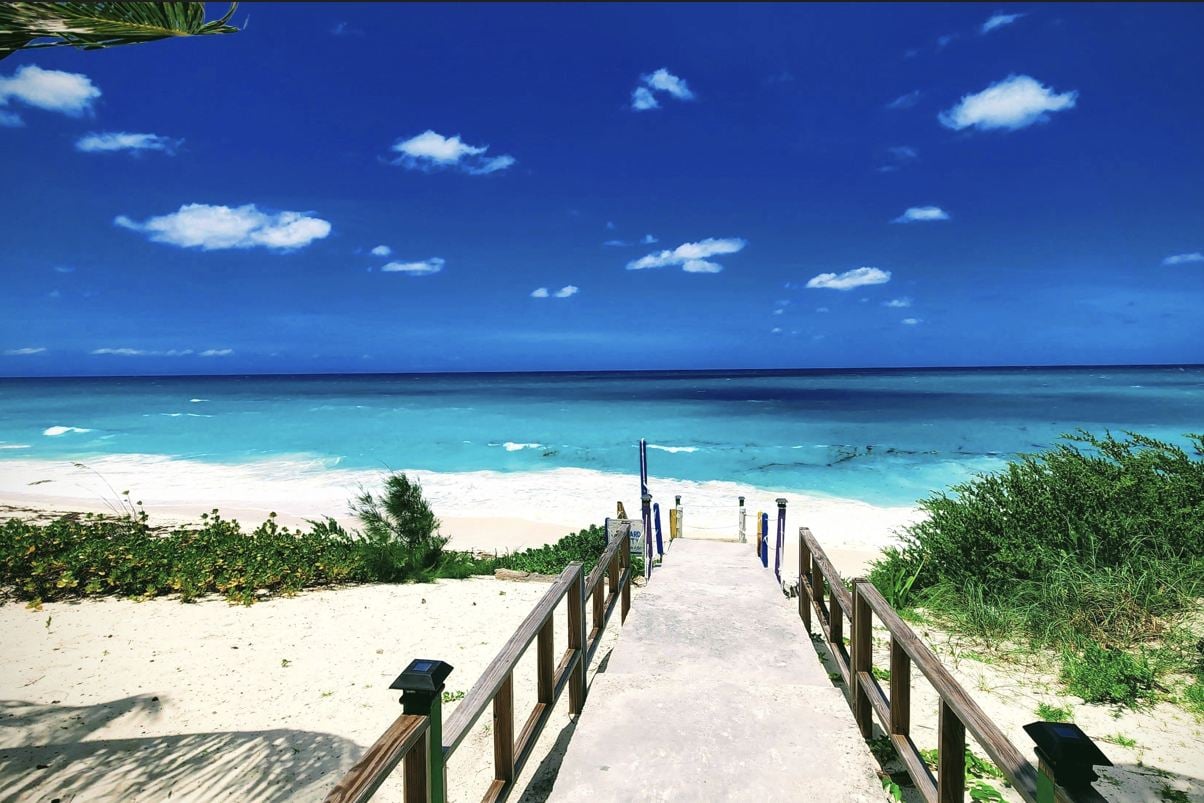
Image via Travel Off Path
Key takeaways
- The U.S. State Department has issued eight security alerts during summer 2025 targeting popular overseas destinations.
- Alerts cover a range of threats including violent crime, health outbreaks, and political instability.
- Travelers are advised to enroll in the Smart Traveler Enrollment Program (STEP) to receive real-time updates.
- Several alerts focus on high-tourism regions in Europe, Latin America, and the Caribbean.
- The advisories include specific guidance on avoiding high-risk areas and maintaining situational awareness.
U.S. State Department Issues 8 Summer 2025 Travel Alerts for Americans
The U.S. State Department and its global embassies have issued a series of eight security alerts this summer, warning American travelers about elevated risks in several popular international destinations. The advisories, released between June and August 2025, address a wide range of threats including violent crime, health emergencies, and political unrest.
While millions of Americans are traveling abroad for summer vacations, the State Department has emphasized the importance of staying informed. The alerts are designed to help travelers make safer decisions and prepare for potential disruptions. The department encourages all U.S. citizens to enroll in the Smart Traveler Enrollment Program (STEP), which provides real-time updates and helps embassies locate travelers during emergencies.
Destations Covered: Crime Warnings and Health Advisories
The eight alerts span multiple regions, with particular emphasis on popular tourist destinations in Europe, Latin America, and the Caribbean. One notable advisory targets a major European city known for its high volume of American visitors, citing a surge in street crime and pickpocketing. Another alert focuses on a Caribbean island nation where violent crime has increased, including armed robberies targeting tourists near resort areas.
Health-related warnings also feature prominently. The State Department has flagged outbreaks of dengue fever in several tropical locations, advising travelers to use insect repellent and sleep in air-conditioned rooms. A separate alert addresses the risk of foodborne illness in a South American destination, urging caution with street food and tap water.
Political Unrest and Natural Disaster Risks
In addition to crime and health concerns, the alerts include warnings about political demonstrations in a Central American country that could disrupt transportation and cause localized violence. Travelers are advised to avoid protest areas and monitor local media for updates. Another advisory addresses hurricane season preparedness in the Caribbean, recommending that travelers have contingency plans and travel insurance that covers weather-related cancellations.
Practical Implications for Summer Travelers
For Americans currently abroad or planning trips this summer, these advisories carry actionable guidance. The State Department recommends staying in well-lit, populated areas, avoiding walking alone at night, and securing valuables. Travelers should also keep digital and physical copies of passports and other important documents.
The alerts do not necessarily mean travelers should cancel their plans, but they underscore the need for vigilance. The department's website offers country-specific information pages that are updated regularly, and travelers are urged to check these before departure and during their stay.
How to Stay Updated: Smart Traveler Enrollment Program (STEP)
The most effective tool for staying informed is the Smart Traveler Enrollment Program (STEP). By registering their trip, U.S. citizens receive safety messages from the nearest embassy and can be contacted in an emergency. Enrollment is free and takes only a few minutes online. The State Department also maintains a 24/7 hotline for consular assistance.
Travelers should also consider purchasing comprehensive travel insurance that covers medical evacuation and trip interruption, especially when traveling to regions with active advisories.
Final Advice: Balance Awareness with Enjoyment
While the volume of alerts this summer may seem alarming, most international travel proceeds without incident. The key is to remain aware of your surroundings, respect local laws and customs, and follow the guidance of local authorities. By taking simple precautions and staying informed through official channels, Americans can still enjoy their summer travel experiences safely.
Frequently asked questions
What are the main threats covered in the State Department's summer 2025 travel alerts?
The eight alerts address violent crime, pickpocketing, dengue fever outbreaks, foodborne illness, political demonstrations, and hurricane season risks across popular destinations in Europe, Latin America, and the Caribbean.
Should I cancel my trip if there is a travel alert for my destination?
Not necessarily. Most alerts recommend increased caution rather than avoiding travel. Check the specific advisory level on the State Department website and follow recommended safety measures, such as avoiding high-risk areas and enrolling in STEP.
How can I receive real-time updates from the State Department while traveling?
Enroll in the Smart Traveler Enrollment Program (STEP) for free. You will receive safety messages from the nearest U.S. embassy and can be contacted quickly in an emergency.
What health precautions should I take for destinations with dengue fever alerts?
Use EPA-approved insect repellent, wear long sleeves and pants, sleep in air-conditioned or screened rooms, and eliminate standing water around accommodations. No vaccine is widely available, so prevention is key.
Are travel alerts the same as travel advisories?
No. Travel alerts are short-term warnings about specific events (e.g., crime surge, health outbreak), while travel advisories are level-based ratings (1-4) for each country. Both are updated regularly on the State Department website.
Sources
This article was synthesised and fact-checked from the following reporting: