U.S. Embassy Alerts for Spain, South America, Beach Destinations
Recent U.S. Embassy alerts target Spain, a popular South American country, and an iconic beach destination. Travelers should understand the risks and take precautions.

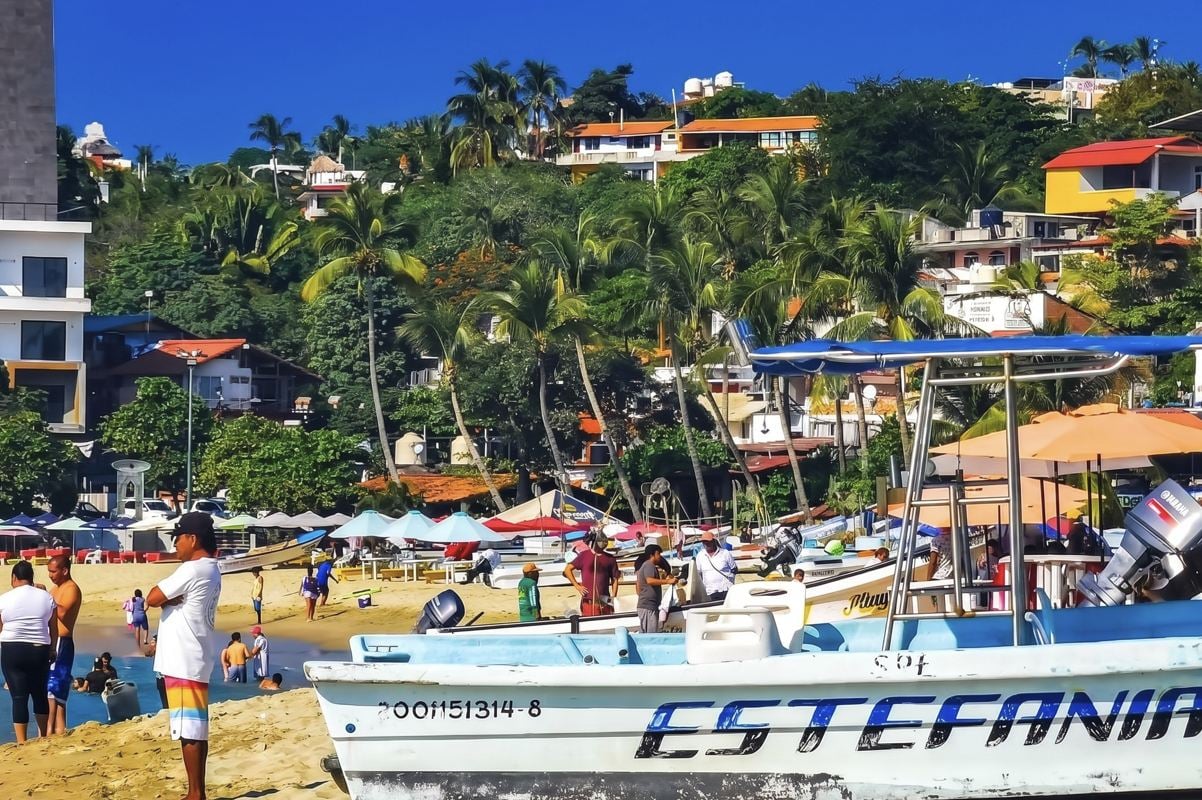
Image via Travel Off Path
Key takeaways
- The U.S. Embassy in Spain issued an emergency alert for travelers near Madrid due to a fast-moving security situation outside the city.
- A security alert was issued for a popular South American country that has seen a surge in tourism from digital nomads and nightlife seekers.
- An iconic beach destination is under a health alert, warning tourists about unexpected medical risks that could disrupt a tropical getaway.
- All three alerts were published by the U.S. Embassy on July 24, 2025, highlighting a coordinated effort to inform American travelers.
- Travelers should register with the Smart Traveler Enrollment Program (STEP) to receive real-time alerts and locate nearby embassies.
U.S. Embassy Alerts Target Spain, South America, and Beach Destinations: What Travelers Should Know
On July 24, 2025, the U.S. Embassy issued a series of emergency, security, and health alerts spanning three distinct travel regions: Spain, a popular South American country, and an iconic beach destination. These advisories come at a peak travel time, affecting both current visitors and those planning upcoming trips. While the alerts vary in nature—from a fast-moving security situation to health risks—they share a common message: American travelers need to stay informed and take proactive steps to ensure their safety.
Emergency Alert for Madrid, Spain: A Security Situation Outside the City
The most urgent advisory concerns Spain, specifically the capital region of Madrid. The U.S. Embassy issued an emergency alert early on July 24, warning that a severe crisis is unfolding just outside the city limits. The situation is described as "highly unusual and fast-moving," though specific details remain sparse. The embassy urged U.S. citizens in the area to monitor local media, avoid the affected zone, and follow instructions from Spanish authorities. For travelers heading to Madrid in the coming days, the alert recommends reconsidering travel to the affected area and enrolling in the Smart Traveler Enrollment Program (STEP) for real-time updates.
This is not a routine security notice—embassies reserve emergency alerts for imminent threats or rapidly evolving events. Travelers should not assume the situation is contained; instead, they should prepare for possible disruptions to transportation, lodging, and public events. Those with flexible itineraries may want to consider alternate destinations in Spain, such as Barcelona or Seville, although the alert does not currently extend beyond the Madrid region.
Security Alert for a Popular South American Country: Digital Nomad Hub at Risk
A separate security alert targets a South American nation that has experienced explosive tourism growth in recent years. The country is known for its thriving digital nomad communities, world-class nightlife, and dramatic mountain views. However, the embassy warns of increased risks behind the vibrant culture, citing rising crime or instability that may affect foreign visitors. The advisory does not specify a particular city, but it likely applies to major tourist hubs.
Travelers to this region should exercise heightened caution, especially when visiting nightlife districts, using ride-sharing services, and handling cash or valuables. The embassy recommends avoiding high-crime neighborhoods, traveling in groups after dark, and keeping copies of important documents. For digital nomads, the alert may also impact co-working spaces or short-term rentals—verify safety protocols with hosts or local contacts. This advisory is a reminder that popularity among tourists does not always equate to safety.
Health Alert for an Iconic Beach Destination: Unexpected Medical Risks
The third alert is a health warning for a famous beach destination, likely in the Caribbean or Central America. The embassy warns of an unexpected medical risk that could interrupt a carefully planned tropical vacation. While the original alert mentioned "unexpected medical issues" at housing, it likely refers to a disease outbreak, contaminated water, or insufficient healthcare infrastructure in the area. This is not a routine vaccination reminder—it signals an active health concern that could affect tourists.
Travelers with pre-existing conditions, pregnant women, or those traveling with young children should pay special attention. The embassy advises purchasing comprehensive travel insurance that covers medical evacuation, consulting a doctor before departure, and packing a basic medical kit. For those already in the destination, seek local medical advice from reputable clinics or the embassy's health page. Sunbathers and swimmers should also inquire about beach closures or water safety advisories.
What These Alerts Mean for Future Travelers: Practical Next Steps
These alerts, all issued on the same date, suggest a coordinated effort by the State Department to address multiple risks simultaneously. For U.S. travelers, the immediate steps are straightforward:
- Check your destination's travel advisory level on the State Department's website before booking any trip. Levels 3 (Reconsider Travel) and 4 (Do Not Travel) require serious consideration.
- Enroll in STEP at step.state.gov. This free service sends alerts from the nearest embassy and helps officials contact you in an emergency.
- Purchase travel insurance that covers trip cancellation, medical expenses, and evacuation. Many policies exclude high-risk areas, so read the fine print.
- Monitor local news from reliable sources in Spanish, English, or the local language. Social media rumors can be misleading—stick to official embassy and government channels.
- Have a backup plan. If your destination becomes unsafe, know how to change flights, move to a safer area, or return home early. Keep extra funds available for unexpected costs.
These alerts do not necessarily mean you should cancel all travel to Spain, South America, or beach destinations. Instead, they underscore that informed travelers are safer travelers. By understanding the specific risk—whether security, crime, or health—you can make decisions that fit your comfort level and itinerary. The U.S. Embassy's warnings are a tool, not a ban. Use them wisely.
Frequently asked questions
How can I receive real-time U.S. Embassy alerts while traveling?
Enroll in the Smart Traveler Enrollment Program (STEP) at step.state.gov to receive alerts from the nearest U.S. embassy via email or text. The service is free and helps officials contact you in emergencies.
What should I do if I'm already in Madrid during this security alert?
Monitor local Spanish media, avoid the affected area outside the city, and follow instructions from Spanish authorities. If needed, contact the U.S. Embassy in Madrid via their emergency number, which you can find on their website.
Are the health alerts for beach destinations just about sunburn or food poisoning?
No. The embassy's health alert warns of an unexpected medical risk that could disrupt travel, potentially including disease outbreaks, contaminated water, or insufficient healthcare. Always check the latest alert details for your destination.
Can I still travel to the popular South American country mentioned in the alert?
Yes, but exercise heightened caution. Avoid high-crime areas, travel in groups after dark, and keep valuables hidden. The alert does not ban travel but advises increased vigilance due to crime or instability.
Where can I find the official U.S. travel advisory for these destinations?
Visit travel.state.gov and search for your destination. Look for levels 3 (Reconsider Travel) or 4 (Do Not Travel) and read the specific reasons behind the advisory. The site also links to individual embassy pages for local alerts.
Sources
This article was synthesised and fact-checked from the following reporting: