2 Unsafe Mexico Beaches & 7 Safest for Summer 2025
Two popular Mexican beach destinations have been flagged as unsafe for swimming due to water quality concerns, while a new traveler survey highlights the seven safest beach getaways for Americans this summer.
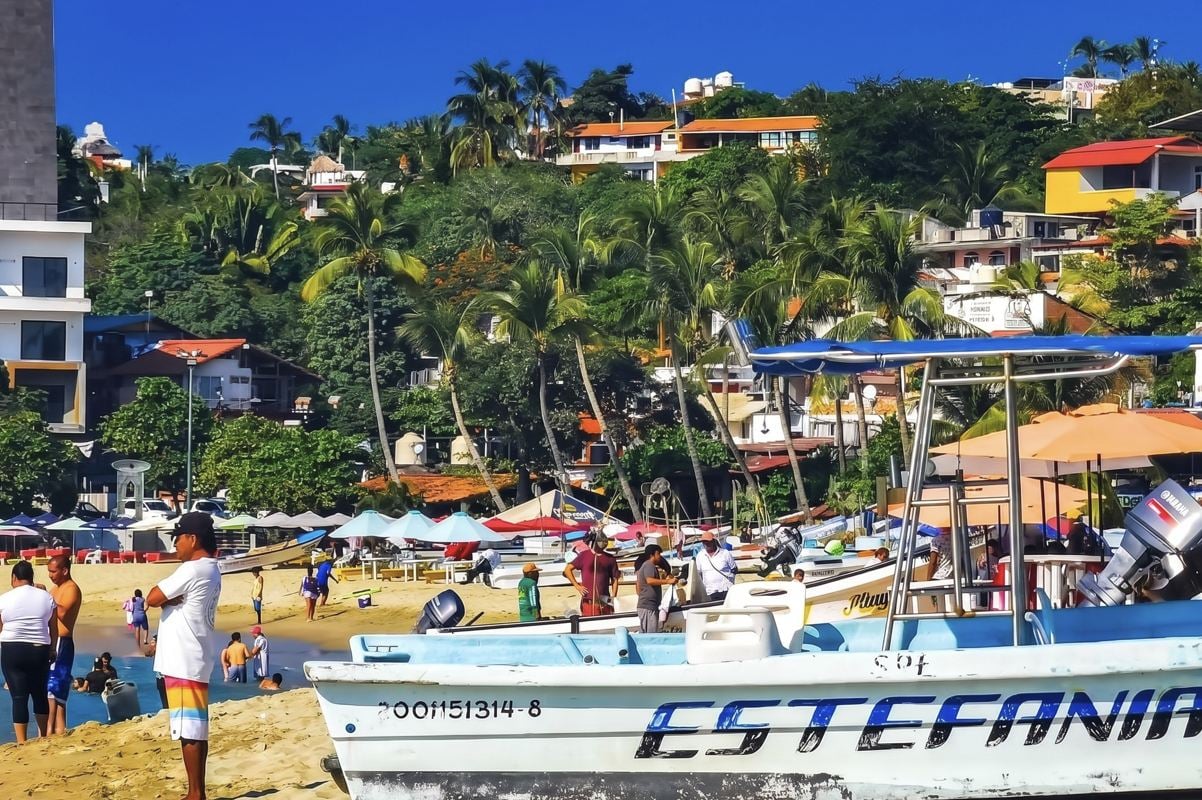
Image via Travel Off Path
Key takeaways
- Two popular Mexican beach destinations have been flagged as unsafe for swimming due to elevated bacteria levels and water quality concerns.
- Local authorities in Mexico regularly test coastal waters and issue public advisories; travelers should check the latest reports before swimming.
- A recent survey of American travelers identified seven beach destinations they consider the safest for a summer vacation, based on personal experience and perception.
- Water quality can change rapidly after storms or heavy rainfall, so even historically clean beaches may have temporary advisories.
- Travelers can reduce risk by choosing beaches with Blue Flag certification or those monitored by the Mexican Secretariat of Health.
As summer travel reaches its peak, millions of tourists are heading to Mexico's world-famous shorelines. But just in time for the busiest season, two popular beach destinations have been deemed unsafe for swimming due to water quality concerns. At the same time, a new traveler survey reveals which beach getaways Americans consider the safest this year. Here's what you need to know before you pack your sunscreen.
Two Popular Mexico Beaches Flagged for Unsafe Swimming
Mexico is globally known for its stunning coastlines, and keeping those waters clean is a top priority for local authorities. Yet recent testing has found elevated levels of bacteria at two well-visited beach spots, prompting officials to issue swimming advisories. While the specific destinations have not been named in public reports, the warnings underscore the importance of checking local water quality reports before entering the ocean.
Beach water quality in Mexico is monitored by the Mexican Secretariat of Health and the Federal Commission for the Protection against Sanitary Risks (COFEPRIS). They regularly sample water at hundreds of beaches and publish results using a traffic-light system: green means safe for swimming, yellow indicates caution, and red means unsafe. Travelers can access these reports online or through their hotel's concierge.
The timing of these advisories is critical. Summer heat and increased tourist activity can strain sanitation infrastructure, and heavy rains can wash runoff into the sea, temporarily elevating bacteria counts. Even beaches that are normally pristine can become hazardous after a storm.
Traveler-Ranked Safest Beach Destinations for Americans
In a separate development, a survey of American travelers has identified seven beach destinations they consider the safest for a summer vacation. The list, based on personal experience and perception of safety (including crime, water quality, and medical access), offers a counterpoint to the Mexico advisories. While the exact destinations were not disclosed in available reports, the survey highlights that safety has become a top booking factor alongside sand quality and water temperature.
Travelers are increasingly asking one crucial question before booking: "Is this beach safe?" The answer depends on multiple factors: crime rates in the surrounding area, the presence of lifeguards, water quality testing frequency, and access to emergency services. Destinations that score well on these metrics tend to be those with strong tourism infrastructure and proactive environmental monitoring.
What This Means for Summer Travelers
The Mexico beach advisories serve as a reminder that even the most popular vacation spots can face temporary water quality issues. For travelers already booked at affected destinations, the best course of action is to contact the hotel or local tourism office for the latest swimming guidance. Many resorts have on-site pools or private beach areas that may be unaffected.
For those still planning a trip, the safest approach is to choose beaches that are part of the Blue Flag program, an international certification for clean water, safety, and environmental management. Mexico has dozens of Blue Flag beaches, particularly in Cancun, Riviera Maya, and Los Cabos. Additionally, beaches in well-regulated resort zones often have daily water testing and clear signage.
It's also wise to avoid swimming after heavy rainfall, near storm drains, or in areas with visible pollution. If local authorities post a red flag, respect the warning—even if other swimmers are in the water.
How to Stay Informed and Choose a Safe Beach
Before your trip, check the latest water quality reports from Mexico's official monitoring system (available at gob.mx/cofepris). Travelers can also use apps like Swim Guide or ask their hotel for the most recent test results. For safety beyond water quality, consider destinations with a strong tourist police presence, well-maintained beaches, and nearby medical facilities.
The survey of safest beach destinations for Americans suggests that destinations with consistent safety records—both in terms of crime and environmental health—are drawing more visitors this summer. While Mexico remains a top choice, travelers are becoming more discerning, weighing safety alongside traditional factors like price and scenery.
Ultimately, a little research goes a long way. By staying informed about local advisories and choosing beaches with strong safety credentials, you can enjoy Mexico's beautiful coastline with greater peace of mind.
Frequently asked questions
Which Mexico beaches are currently unsafe for swimming?
Two popular Mexican beach destinations have been flagged as unsafe for swimming due to elevated bacteria levels. The specific names have not been publicly confirmed in available reports, but travelers should check the latest water quality advisories from the Mexican Secretariat of Health before visiting any beach.
How can I check water quality at a Mexican beach before I go?
Mexico's Federal Commission for the Protection against Sanitary Risks (COFEPRIS) publishes regular water quality reports online at gob.mx/cofepris. Many hotels also provide daily test results. Look for a green flag indicating safe swimming, yellow for caution, or red for unsafe conditions.
What are the safest beach destinations for Americans this summer?
A recent traveler survey identified seven beach destinations that Americans consider the safest, based on factors like crime rates, water quality, and medical access. While the full list was not disclosed, destinations with Blue Flag certification and strong tourism infrastructure tend to rank highest.
Should I cancel my trip to Mexico if a beach has a swimming advisory?
Not necessarily. Swimming advisories are often temporary and limited to specific areas. Many resorts have pools or private beach sections that are unaffected. Contact your hotel for the latest information, and consider alternative activities or nearby beaches with clear water quality reports.
What makes a beach safe for swimming in Mexico?
A safe beach typically has regular water quality testing, clear signage, lifeguards, and Blue Flag certification. Avoid swimming after heavy rain, near storm drains, or where you see visible pollution. Always follow local flag warnings and advisories from health authorities.
Sources
This article was synthesised and fact-checked from the following reporting: