US Airline Industry: Consolidation Deals and Permanent Fare Hikes
Former United CEO Oscar Munoz reveals investors are circling budget carriers, while current CEO Scott Kirby says higher fares are here to stay. Here's what travelers need to know.
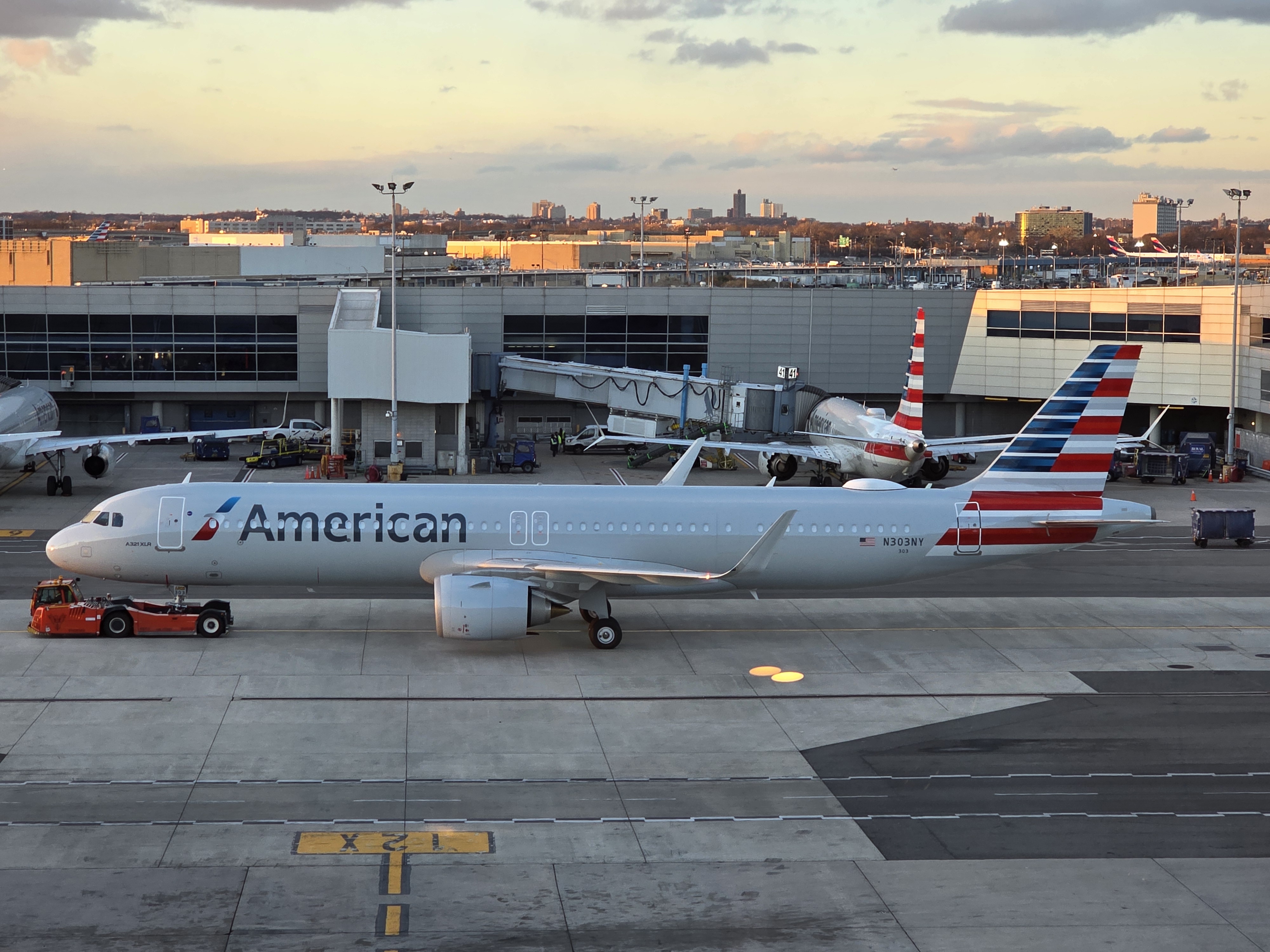
Image via View from the Wing
Key takeaways
- Former United Airlines CEO Oscar Munoz reports that sophisticated investors are now studying low-cost US carriers, signaling potential merger or acquisition activity after the 2026 earnings season.
- United Airlines CEO Scott Kirby argues that higher airfares are not just a fuel-cost issue but reflect a structural increase in airline pricing power due to rising operating costs and reduced domestic capacity.
- The combination of potential consolidation among budget carriers and permanently higher fares could reshape the competitive landscape for US air travel, reducing the availability of ultra-low-cost options.
- Investor interest in cheap US airlines has grown because these carriers have been undervalued, but their thin margins make them attractive targets for larger airlines or private equity seeking scale.
- Travelers should expect fewer rock-bottom ticket prices as airlines maintain pricing discipline, even as fuel costs fluctuate, and consolidation may further reduce competition on key routes.
Two separate but interconnected signals from the top of the US airline industry point to a fundamental shift in how Americans will fly in the coming years. Former United Airlines CEO Oscar Munoz has revealed that sophisticated investors are circling cheap US carriers, with deal activity expected to intensify after the 2026 earnings season. Meanwhile, current United CEO Scott Kirby has delivered a blunt message: higher fares are permanent, driven not just by fuel but by a structural change in airline pricing power.
Taken together, these developments suggest the US airline industry is entering a new era of consolidation and higher costs — one that will likely reduce the number of ultra-low-cost options and push ticket prices upward across the board.
Investor Interest in Cheap US Airlines Grows
Speaking at an industry conference, Oscar Munoz — who led United Airlines from 2015 to 2020 — said that investors who once avoided airlines are now taking a hard look at the sector’s budget players. “Sophisticated investors are studying cheap U.S. carriers,” Munoz stated, adding that he expects more “noise” around potential deals once the current earnings season wraps up.
The former CEO did not name specific airlines, but the category includes carriers such as Spirit Airlines, Frontier Airlines, Allegiant Air, and Sun Country Airlines. These airlines have struggled with rising costs, post-pandemic demand shifts, and increased competition from larger network carriers that have added basic economy products. Their depressed stock valuations make them attractive targets for private equity firms or larger airlines seeking to expand their footprint.
Munoz’s comments carry weight because he helped orchestrate United’s own turnaround and has a deep understanding of the industry’s M&A dynamics. His observation that “investors who never looked at airlines before are now looking” suggests a shift in sentiment. If a deal materializes — whether a merger between two budget carriers or an acquisition by a legacy airline — it could reduce competition in the low-fare segment, leading to fewer $9 ticket sales and more uniform pricing.
United CEO Says Higher Fares Are Here to Stay
Separately, United Airlines CEO Scott Kirby made headlines by declaring that the era of ultra-cheap airfare is over. While fuel costs have surged, Kirby argued that they are not the primary driver of higher ticket prices. Instead, he pointed to a structural increase in airlines’ pricing power, fueled by ballooning operating costs and a deliberate reduction in domestic capacity.
“Say goodbye to $9 tickets,” Kirby said, emphasizing that airlines now have the discipline to keep fares at levels that cover their higher labor, maintenance, and airport fees. He noted that the industry has learned from past boom-and-bust cycles and is no longer chasing market share at the expense of profitability. Capacity discipline — where airlines fly fewer seats than demand would allow — has become a standard strategy, enabling carriers to maintain higher load factors and charge more per seat.
Kirby’s remarks align with broader industry trends. Major US airlines have been trimming unprofitable routes, retiring older aircraft, and slowing growth plans. This has reduced the supply of seats, especially in domestic markets, giving airlines more leverage to raise fares. Even if fuel prices eventually fall, Kirby suggested that airlines would keep the extra revenue rather than pass savings to passengers.
What This Means for Travelers
The combination of potential consolidation and permanent fare hikes has direct implications for anyone who flies. First, the availability of true bargain fares — those sub-$50 one-way tickets that budget airlines occasionally offer — will likely shrink further. Legacy carriers have already matched these low prices with their own basic economy products, but if budget airlines merge or are acquired, the incentive to undercut competitors may disappear.
Second, travelers who rely on low-cost carriers for leisure trips to secondary cities may find fewer options or higher prices. A merger between, say, Spirit and Frontier would create a single dominant ultra-low-cost carrier with less reason to compete aggressively on price. Similarly, if a legacy airline buys a budget carrier, it could absorb the low-fare brand and gradually align its pricing with the mainline operation.
Third, the industry’s new pricing discipline means that even during off-peak periods, fares are unlikely to return to pre-pandemic lows. Travelers should budget for higher baseline ticket costs and look for savings elsewhere — such as using miles or points, booking well in advance, or choosing airports with lower fees.
Potential Deal Scenarios and Timeline
Munoz’s prediction of deal “noise” after earnings season points to the second half of 2026 as a potential window for announcements. Several budget carriers are reporting earnings in late July and August, which could reveal financial strain that makes them more open to acquisition. Private equity firms, which have raised large funds for infrastructure and transportation deals, are natural buyers. Alternatively, larger airlines like United, Delta, or American could pursue a budget carrier to gain access to its fleet, routes, and pilot pool.
Regulatory scrutiny remains a wild card. The Biden administration has taken a tough stance on airline consolidation, blocking the JetBlue-Spirit merger and challenging other joint ventures. However, a new administration taking office in 2025 may have a different approach. Munoz’s comments suggest that investors are betting on a more permissive environment, or at least that the financial logic of consolidation is strong enough to overcome regulatory hurdles.
The Bottom Line for Air Travel
The US airline industry is at an inflection point. Investors see value in cheap carriers, and incumbent CEOs see no reason to compete on price. The result is likely to be fewer airlines, higher average fares, and a travel landscape where the cheapest ticket is more expensive than it used to be. Travelers should monitor developments closely, especially if they are loyal to a particular budget airline. Miles and credit card rewards may become even more valuable as cash fares rise.
For now, the message from the industry’s leaders is clear: the era of rock-bottom airfares is fading, and consolidation is on the horizon. Whether that leads to a healthier, more stable industry — or simply a more expensive one — will depend on how regulators, executives, and consumers respond.
Frequently asked questions
Which US budget airlines could be involved in a merger or acquisition?
Industry analysts point to Spirit Airlines, Frontier Airlines, Allegiant Air, and Sun Country Airlines as potential targets. These carriers have faced financial pressure and have low stock valuations, making them attractive to private equity or larger network airlines seeking scale.
Will airfares ever go back to pre-pandemic lows?
United Airlines CEO Scott Kirby has stated that higher fares are permanent due to structural pricing power and reduced domestic capacity. Even if fuel costs drop, airlines are expected to maintain higher prices rather than return to ultra-low fares.
How might consolidation affect competition on routes?
If budget airlines merge or are acquired, the number of low-cost competitors on a given route could shrink. This typically leads to less price competition and higher average fares, especially on leisure and secondary-city routes where budget carriers dominate.
When could a deal be announced?
Former United CEO Oscar Munoz expects deal activity to intensify after the 2026 earnings season, which runs through late summer. Investors are waiting for financial results that may reveal which budget carriers are most vulnerable or open to acquisition.
What should travelers do to prepare for higher fares?
Travelers should book flights well in advance, consider using frequent flyer miles or credit card points, and explore alternative airports. Loyalty programs and flexible travel dates can help mitigate the impact of rising baseline ticket prices.
Sources
This article was synthesised and fact-checked from the following reporting: