United Airlines Flight Attendant Alcohol Policy Explained
United allows crew to drink on duty only when deadheading out of uniform, not working another flight that day.
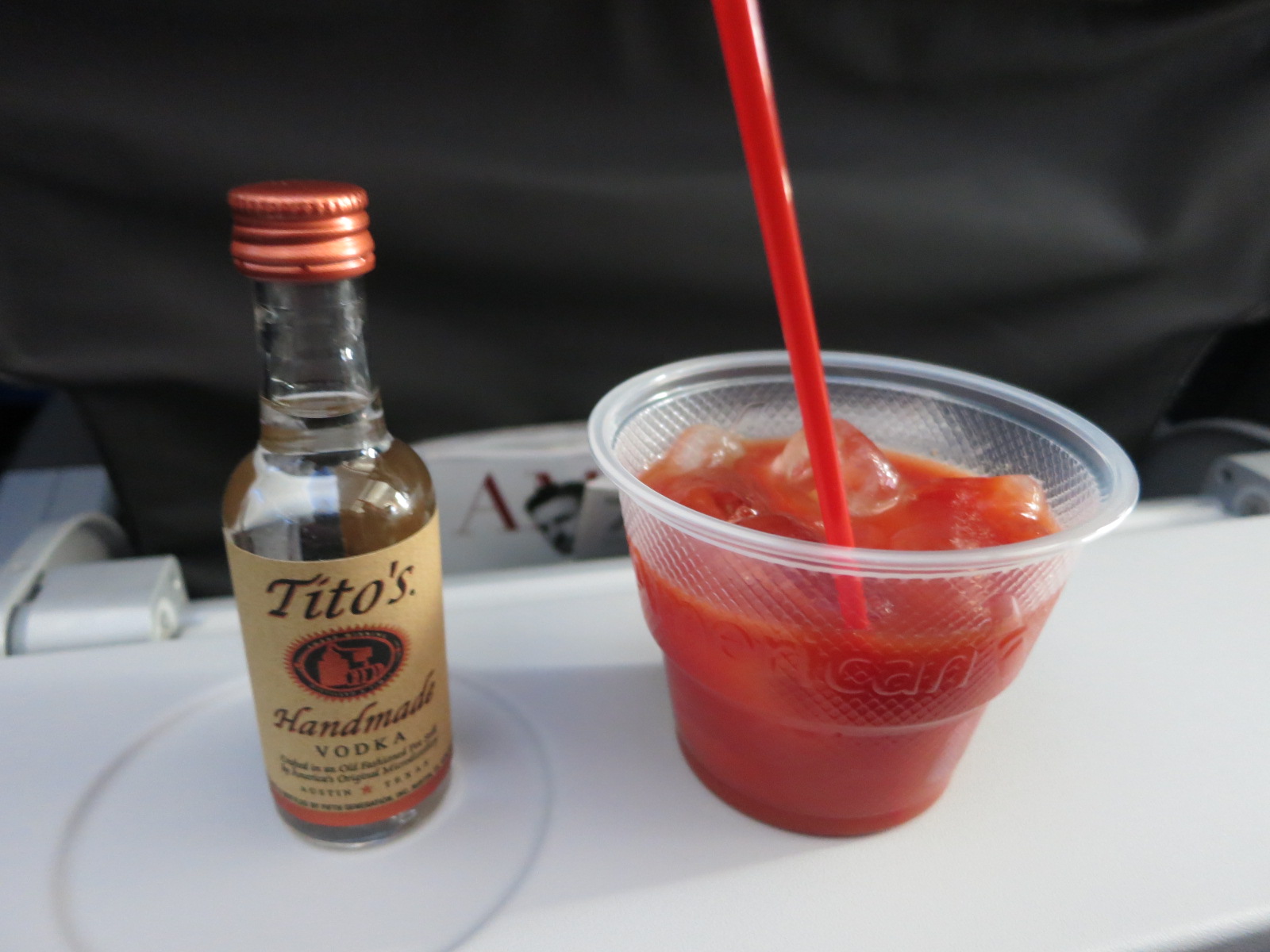
Image via View from the Wing
Key takeaways
- United Airlines permits flight attendants to consume alcohol while on duty only when deadheading as passengers out of uniform.
- Deadheading crew must not be scheduled to work another flight that day to be eligible under this policy.
- The rule aligns with general industry practice that treats deadheading crew as revenue passengers for alcohol consumption.
- Flight attendants working a flight remain prohibited from drinking before or during duty under federal regulations.
United Airlines Flight Attendant Alcohol Policy: When Drinking on Duty Is Allowed
United Airlines has clarified a narrow exception to its alcohol policy for flight attendants: crew members can drink while technically on duty if they are deadheading—traveling as passengers—out of uniform and not expected to work another flight that day. The rule has drawn attention as it highlights the distinction between active duty and transit status for airline employees.
Under United's guidelines, flight attendants deadheading on company business are treated similarly to revenue passengers for the purposes of alcohol consumption, provided they are not wearing their uniform and have no further work assignment scheduled for that day. This means a crew member finishing a trip and flying home as a passenger in their own clothes may order a beer or wine without violating company policy.
What Deadheading Means for Crew Alcohol Rules
Deadheading is a routine practice in aviation where airline employees are transported as passengers to reposition for upcoming assignments. United's policy draws a bright line: crew deadheading out of uniform are not subject to the same zero-alcohol restrictions that apply when they are actively working a flight or in uniform. The airline's rationale is that these individuals are essentially passengers at that point, not performing safety-sensitive duties.
This approach mirrors practices at other major U.S. carriers, which generally prohibit alcohol consumption for flight attendants within a certain period before a working flight—often 8 to 12 hours—but allow flexibility for deadheading crew. The Federal Aviation Administration does not specifically regulate off-duty alcohol use for flight attendants on personal or transit time, leaving policies to each airline.
What the Policy Means for Passengers
For travelers, this policy is unlikely to be noticeable. Deadheading flight attendants out of uniform blend in with other passengers and are not providing service. The rule does not affect the safety or service on the flight since these crew members are not working. Passengers may occasionally see uniformed flight attendants traveling on their own, but those individuals are subject to stricter rules and typically avoid alcohol.
Industry experts note that the policy reflects practical realities of airline operations. Deadheading crew are often traveling after completing a work assignment and may be off the clock for hours or days before their next trip. Treating them as passengers for alcohol consumption avoids unnecessary restrictions while maintaining safety standards.
Compare United's Policy to Other Airlines
United's approach is consistent with competitors. American Airlines, Delta Air Lines, and Southwest all have similar guidelines that prohibit alcohol for flight attendants while in uniform or within a window before a working flight, but allow deadheading crew out of uniform to drink responsibly. The key distinction is uniform status and whether a flight attendant is on active duty or in transit.
Some airlines go further by prohibiting alcohol entirely for flight attendants during the entire period they are on company time, including deadheading. However, United's policy is considered standard within the industry and has not been a source of controversy or incidents.
Practical Takeaways for Travelers
Understanding airline crew policies can demystify what happens behind the scenes. If you see someone in street clothes enjoying a drink in first class, they might be a deadheading flight attendant. It does not indicate any safety risk or policy violation.
For those interested in the broader context of airline employee rules, United's policy is a reminder that aviation regulations involve fine-grained distinctions. What seems contradictory at first—drinking while on duty—actually reflects the difference between being on the clock and being in transit.
Travelers should also know that flight attendants working a flight are subject to strict rules: no alcohol within 8 to 12 hours prior to duty, and zero tolerance for impairment. This remains unchanged under United's policy.
Frequently asked questions
Can United Airlines flight attendants drink on duty?
Yes, but only in a very specific situation: when deadheading as a passenger, out of uniform, and not scheduled to work another flight that day.
What is deadheading for a flight attendant?
Deadheading means an airline employee is traveling as a passenger to reposition for a future work assignment, often after completing a trip.
Do other airlines have similar alcohol policies for crew?
Yes, most major U.S. carriers including American, Delta, and Southwest allow deadheading crew out of uniform to drink responsibly, though details may vary.
Is it safe if a deadheading flight attendant drinks on my flight?
Yes. They are not performing any safety duties and are essentially like other passengers. The policy includes responsible consumption guidelines.
Can a uniformed United flight attendant drink on duty?
No. Uniformed flight attendants or those scheduled to work a flight are prohibited from alcohol consumption during duty and for several hours prior.
Sources
This article was synthesised and fact-checked from the following reporting: