Airlines Could Save $100M Yearly If Passengers Used Bathroom Before Boarding
A surprising statistic suggests that a simple pre-boarding habit could significantly reduce airline fuel costs.
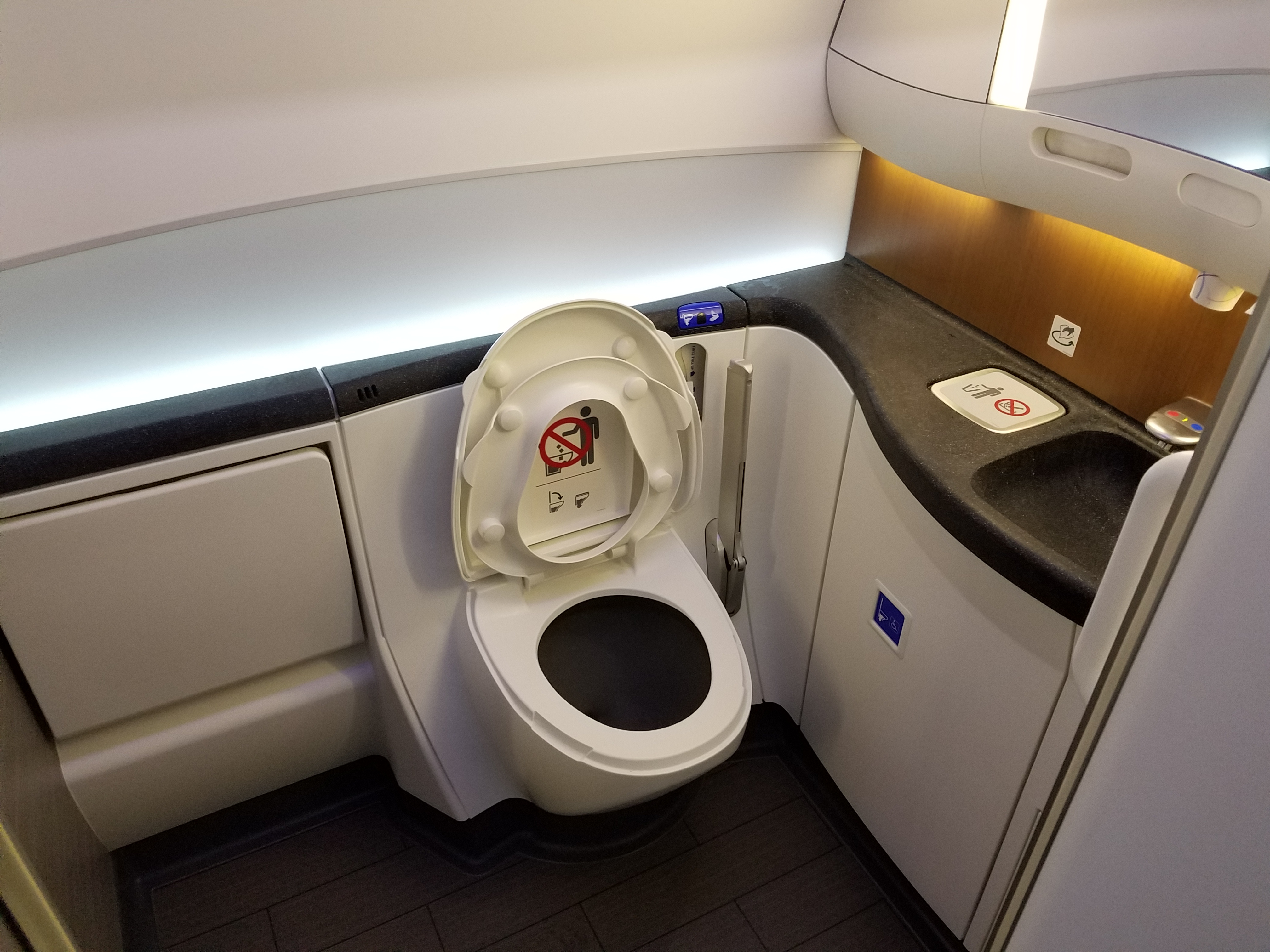
Image via View from the Wing
Key takeaways
- Airlines could save an estimated $100 million annually on jet fuel if all passengers used the bathroom before boarding.
- The savings come from the reduced weight of passengers not carrying waste, which lowers fuel burn.
- The figure is based on average passenger waste weight and typical fuel consumption rates.
- This statistic highlights how small behavioral changes can have large financial impacts on airline operations.
- No airline has implemented a formal policy to encourage pre-boarding bathroom use.
A surprising statistic has been circulating in travel circles: airlines could save up to $100 million a year on jet fuel if every passenger visited the bathroom before boarding. While the figure may sound like a joke, the math behind it is grounded in basic physics and airline economics.
The Math Behind the $100 Million Fuel Savings
The calculation starts with an estimate of the average weight of waste a person carries—around one pound per passenger. With hundreds of passengers on a typical flight, that adds up to several hundred pounds per departure. For a major airline operating thousands of flights daily, the cumulative weight reduction becomes significant.
Jet fuel consumption is directly tied to aircraft weight. According to industry data, carrying an extra pound of weight on a flight can cost an airline roughly $0.05 to $0.10 in fuel over a typical domestic route. For long-haul international flights, the cost per pound is even higher. Multiplying these numbers across all commercial flights globally yields the $100 million annual savings figure.
What This Means for Airlines and Passengers
While no airline has announced a policy requiring passengers to use the bathroom before boarding, the statistic underscores how small operational changes can have outsized financial impacts. Airlines already employ a variety of weight-saving measures, from using lighter seats and carts to reducing the amount of potable water on board. Encouraging pre-boarding bathroom use could be a low-cost, voluntary addition to these efforts.
For passengers, the takeaway is more about awareness than action. The next time you're rushing to the gate, a quick stop at the restroom could theoretically help the airline save fuel—and potentially reduce your own seatmate's discomfort if you squeeze past them mid-flight.
Practical Implications for Travelers
Beyond the financial angle, this statistic also touches on passenger comfort and efficiency. A pre-boarding bathroom visit reduces the likelihood of needing to use the lavatory during the flight, which can be inconvenient for both the passenger and those seated nearby. For airlines, fewer mid-flight bathroom trips could also mean faster turnaround times at the gate, as passengers are less likely to linger in the aisle after landing.
Some frequent flyers already incorporate this habit into their routine, but it's far from universal. While the $100 million figure is an estimate, it highlights how collective small actions can add up to real-world savings in an industry where every penny counts.
The Bigger Picture: Weight and Fuel Efficiency
Airlines have long been obsessed with weight reduction. From using carbon fiber in aircraft construction to eliminating heavy magazines from seat-back pockets, every pound saved translates to lower fuel costs and reduced carbon emissions. The pre-boarding bathroom concept fits neatly into this trend, though it would likely remain a suggestion rather than a requirement.
In an era of rising fuel prices and increasing environmental scrutiny, any measure that cuts fuel consumption is worth considering. Whether or not passengers adopt this habit, the statistic serves as a memorable illustration of how interconnected our daily choices are with the economics of air travel.
Frequently asked questions
How much can airlines save if everyone uses the bathroom before boarding?
Airlines could save an estimated $100 million per year on jet fuel if every passenger used the bathroom before boarding, based on reduced aircraft weight.
Is there a real study behind the $100 million figure?
The figure is a back-of-the-envelope calculation based on average passenger waste weight and fuel consumption rates, not a formal academic study, but it illustrates the potential impact.
Do any airlines require passengers to use the bathroom before boarding?
No airline currently has a policy requiring pre-boarding bathroom use. It remains a voluntary suggestion for passengers.
Does using the bathroom before boarding really help the environment?
Yes, reducing aircraft weight lowers fuel consumption and carbon emissions, so the habit could have a small positive environmental impact if widely adopted.
What other weight-saving measures do airlines use?
Airlines use lighter seats, reduce onboard water, eliminate heavy magazines, and optimize cargo loading to save weight and fuel.
Sources
This article was synthesised and fact-checked from the following reporting: