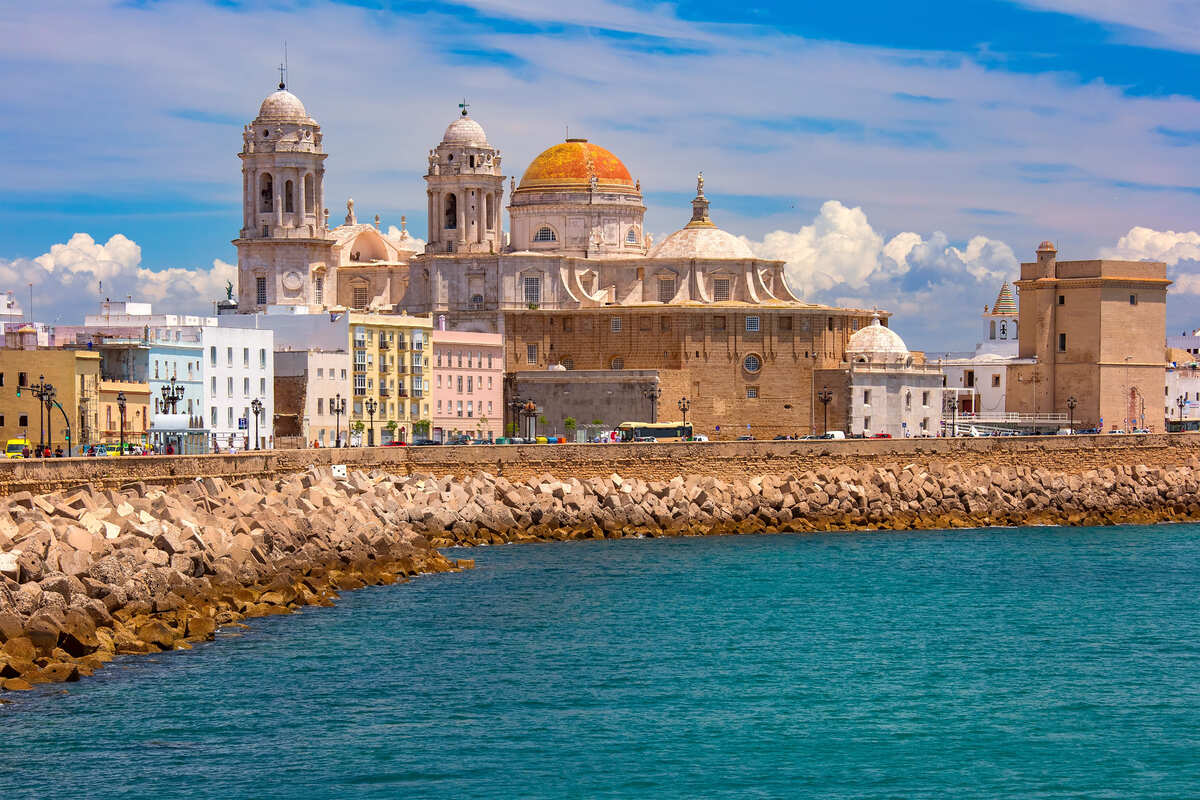
Europe Summer 2025: Underrated Cities & New Entry Fees for Americans
As peak travel season approaches, savvy U.S. travelers can avoid overcrowded hotspots with nonstop flights to lesser-known European cities—but they must also navigate a growing list of destinations that require separate entry fees or digital permits.
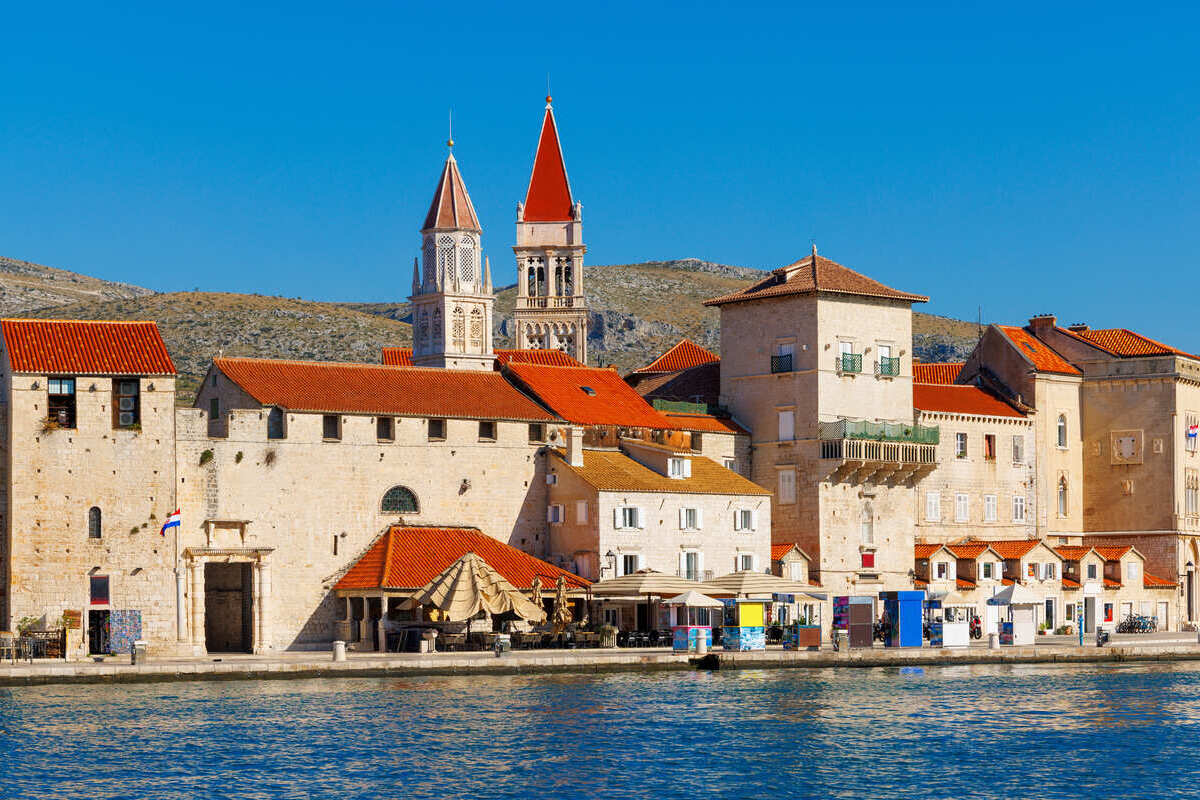
Image via Travel Off Path
Key takeaways
- Four underrated European cities offer nonstop flights from the U.S. this summer, providing alternatives to crowded tourist hotspots.
- Nine popular travel destinations now require a separate entry fee, digital permit, or visa authorization for American tourists.
- Travelers who arrive without the required documentation may be denied boarding by airlines or refused entry at the border.
- Entry fees range from small tourist taxes to larger visa-waiver programs like Europe's upcoming ETIAS and the UK's Electronic Travel Authorization (ETA).
- Checking official government travel advisories and applying for permits weeks before departure is essential to avoid disruptions.
As summer approaches, many Americans are finalizing plans for a European getaway. But two emerging trends are reshaping how savvy travelers should approach their bookings: a growing list of genuinely underrated destinations with direct flights from the U.S., and an expanding roster of popular spots that now demand separate entry fees or digital permits before arrival. Understanding both sides of this equation can save travelers money, time, and frustration.
Underrated European Cities with Nonstop Flights for Americans
While iconic cities like Paris, Barcelona, and Rome continue to draw crowds—and command premium prices—several lesser-known European cities are offering a compelling alternative this summer. These destinations combine authentic local culture, fewer tourists, and the convenience of nonstop flights from major U.S. hubs.
Though the specific four destinations vary by airline route maps, the common thread is that each provides a direct connection from at least one U.S. gateway, eliminating the need for a connecting flight through a larger European hub. Cities such as Bilbao in northern Spain, Porto in Portugal, and Ljubljana in Slovenia have appeared on recent route expansions by U.S. carriers and European low-cost airlines. These destinations offer distinct advantages: Bilbao boasts the iconic Guggenheim Museum and world-class pintxos; Porto charms with its port wine cellars and riverside Ribeira district; and Ljubljana presents a compact, pedestrian-friendly capital with a medieval castle and vibrant cafe culture.
For travelers who prioritize avoiding crowds and keeping costs down, these underrated cities can deliver a more relaxed European summer experience. Flight prices are often lower than those to major hubs, and once on the ground, accommodation, dining, and activities tend to be more affordable. The key is to act early: nonstop flights to secondary cities have limited frequency, and seats can book up quickly as word spreads.
Popular Destinations That Now Charge an Entry Fee for U.S. Tourists
On the other side of the summer travel coin, a growing number of popular destinations now require American passport holders to pay a separate fee and obtain a digital authorization before travel. This trend reflects a global shift toward managing tourism flows and generating revenue from visitors.
Among the most significant changes is Europe's upcoming European Travel Information and Authorisation System (ETIAS), which has been delayed but is expected to roll out in 2025 or 2026. Once live, U.S. citizens will need to apply online, pay a small fee (approximately €7), and receive approval before boarding flights to 30 European countries in the Schengen Area. The authorization will be valid for three years for multiple entries.
Separately, the United Kingdom has already launched its Electronic Travel Authorization (ETA) system, which now applies to American visitors. Travelers must apply online and pay a fee of £10 (about $12.50) to receive a digital permit linked to their passport. Without it, airlines may deny boarding, and border officers can refuse entry.
Other destinations requiring special fees or permits include Japan (with its JESTA system under consideration, and existing tax); Brazil, which reintroduced visa requirements for Americans in late 2023 (though implementation has faced delays); and several Caribbean and Central American nations that charge tourist cards or departure fees. Some European cities like Venice have also introduced day-tripper entry fees. In total, at least nine popular summer destinations now expect Americans to have a pre-approved digital QR code or payment receipt before arrival.
What These Trends Mean for Travelers
The convergence of these two trends creates an important planning dynamic. While underrated destinations offer an escape from crowds and costs, they are not exempt from entry rules. Many smaller European cities are in Schengen Area countries and will eventually fall under ETIAS. Meanwhile, the UK's ETA applies to all U.S. visitors, regardless of whether they fly to London or a regional airport.
Practical steps for summer 2025:
- Check destination requirements early. At least four weeks before departure, visit the official government travel websites for each country you plan to enter. The U.S. State Department's travel advisories page is a reliable starting point.
- Apply for any required digital permits immediately. Some authorizations are processed within minutes, but others can take days or weeks, especially during peak travel seasons.
- Keep digital copies of approvals. Airlines increasingly check for these documents at check-in. Having them saved on your phone and printed as backup can prevent last-minute boarding denials.
- Consider underrated hubs as entry points. Flying into a secondary city like Bilbao or Porto can bypass crowds at Heathrow, Charles de Gaulle, or Frankfurt, and may also offer lower airline fees or fewer connection hassles.
- Factor in total trip cost. When comparing destinations, remember that some countries with entry fees offer lower overall prices for accommodation and food. The fee may be offset by savings elsewhere.
Planning Ahead for a Smoother Summer
Both trends—the rise of underrated direct-flight destinations and the expansion of entry fee requirements—point to a more fragmented and rule-based travel landscape. Americans can no longer assume that a valid passport is sufficient for summer travel to Europe or other popular regions. The days of last-minute spontaneous bookings are giving way to a more intentional planning process.
By choosing destinations that combine nonstop access with lower tourist density, and by staying on top of digital entry requirements, travelers can still enjoy a fulfilling European summer without the stress of unexpected fees, denied boarding, or overcrowded attractions. The key is to treat documentation as seriously as flight bookings and accommodation reservations.
For those willing to explore beyond the typical summer circuit, the payoff is substantial: authentic experiences, better value, and the satisfaction of having outsmarted the crowds. And with the right paperwork in hand, there is nothing standing between you and that quiet terrace overlooking the Adriatic or a glass of Vinho Verde on a Porto riverbank.
Frequently asked questions
Which underrated European cities have direct flights from the U.S. this summer?
Several secondary European cities now offer nonstop service from U.S. hubs, including Bilbao (Spain), Porto (Portugal), and Ljubljana (Slovenia), among others. These routes provide alternatives to crowded major capitals and often come with lower flight and accommodation costs.
Do Americans need to pay a fee to enter Europe in 2025?
Yes, for some parts of Europe. The United Kingdom already requires an Electronic Travel Authorization (ETA) costing £10. The EU's ETIAS system, which will apply to 30 Schengen Area countries, is expected to launch in 2025 or 2026 and will require a €7 fee for U.S. travelers. Always check official government sources before booking.
What happens if I arrive at the airport without the required entry fee permit?
Airlines are increasingly checking for digital travel authorizations at check-in. Without the required permit, you may be denied boarding. If you somehow reach the destination without it, border authorities can refuse entry and send you back at your own expense.
Are underrated European destinations cheaper than popular tourist spots?
Generally yes. Cities like Bilbao, Porto, and Ljubljana tend to have lower hotel rates, restaurant prices, and attraction fees compared to Paris, Rome, or Barcelona. However, flight prices to secondary airports can be comparable or slightly higher due to less frequent service.
How far in advance should I apply for European travel authorizations?
It is best to apply at least four weeks before your departure. While some authorizations are processed within minutes during quiet periods, delays are common in summer. Applying early ensures you have time to resolve any issues before your flight.
Sources
This article was synthesised and fact-checked from the following reporting: