Dominica: Underrated Caribbean Island With Hot Springs & Wild Beaches
Why Dominica, the 'Nature Island' of the Caribbean, offers untouched beaches, volcanic hot springs, roaming donkeys, and near-perfect weather for travelers seeking authenticity.
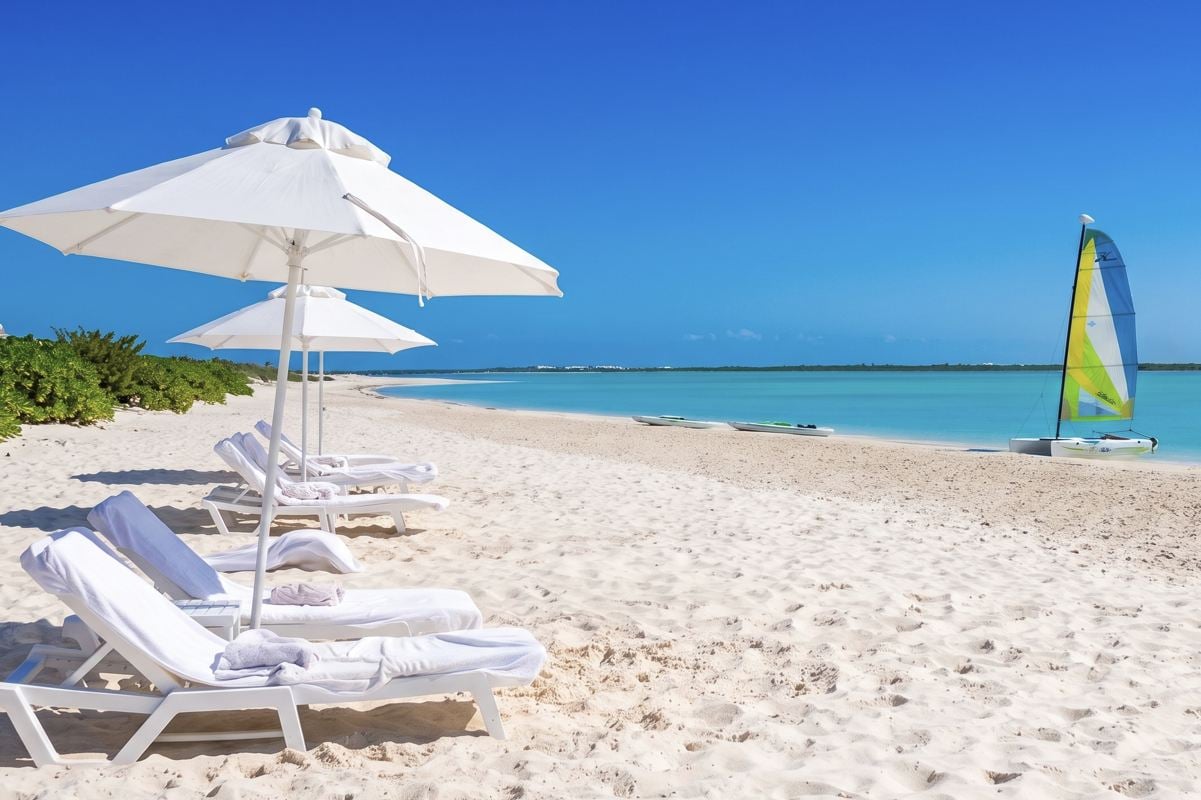
Image via Travel Off Path
Key takeaways
- Dominica, known as the 'Nature Island,' features volcanic black-sand beaches, lush rainforests, and natural hot springs, offering an alternative to resort-heavy Caribbean destinations.
- The island's year-round warm climate and low tourist density make it a prime choice for travelers seeking untouched landscapes and authentic cultural experiences.
- Roaming donkeys are a common sight on Dominica's roads, adding to the island's untamed, rural charm.
- Dominica's volcanic hot springs, such as those near the Boiling Lake trail, provide natural geothermal baths popular with wellness travelers.
- The island has no major all-inclusive chain resorts, emphasizing eco-lodges, boutique hotels, and community-based tourism.
For travelers weary of cookie-cutter resorts and crowded beaches, the Caribbean still holds a few secrets. One of them is Dominica, a rugged island nation that has long been overshadowed by its more developed neighbors like Barbados, St. Lucia, and the Dominican Republic. Yet for those who make the journey, Dominica delivers something increasingly rare: a sense of discovery.
Why Dominica is called the Nature Island
Dominica sits between Guadeloupe and Martinique in the eastern Caribbean, but its character is entirely its own. Rather than sprawling white-sand beaches lined with swim-up bars, the island is defined by volcanic peaks, boiling sulfur springs, and dense rainforest that covers nearly two-thirds of its landmass. This geography has earned it the well-worn but deserved nickname "Nature Island."
The island's volcanic origins are visible everywhere. Black-sand beaches, such as those at Mero and Rosalie Bay, are common, and the geothermal activity feeds natural hot springs and fumaroles that hikers encounter on trails like the one leading to the Boiling Lake — the world's second-largest hot spring. Visitors can soak in mineral-rich waters at sites such as Wotten Waven or the Sulphur Springs near Soufrière, where local operators have built simple pools fed by the volcanic runoff.
Weather and untouched beaches
Dominica enjoys a tropical climate with temperatures averaging 75°F to 85°F year-round. The dry season, from January to May, offers the most reliably sunny conditions, but even during the wetter months, rain showers tend to be brief and lush. The island sits outside the primary hurricane belt, though it is not immune to storms — Hurricane Maria in 2017 caused severe damage, but recovery efforts have since restored much of the tourism infrastructure.
The beaches here are not the postcard-white stretches of the Bahamas. Instead, they are wild, often empty, and backed by cliffs or coconut palms. Champagne Reef, named for the bubbles of geothermal gas that rise through the water, is one of the Caribbean's most unusual snorkeling spots. For those willing to hike, hidden coves and river-fed pools reward solitude seekers.
Roaming donkeys and authentic encounters
One of the most charming quirks of Dominica is the presence of roaming donkeys, which wander freely along rural roads and through villages. They are not a tourist attraction in the curated sense — they are simply part of the landscape, a reminder that this is a place where human development has not tamed every corner. Visitors should drive cautiously, especially at night, as livestock and wildlife are common on the roads.
Dominica's population is small — around 72,000 — and the pace of life is unhurried. The island has no major international chain hotels; instead, accommodations range from eco-lodges and guesthouses to small boutique resorts. This makes it an ideal destination for travelers who prioritize cultural immersion over luxury amenities. Local cuisine features fresh seafood, provisions like breadfruit and dasheen, and the island's famous rum.
Practical tips for visiting Dominica
Getting to Dominica requires a bit more effort than flying into a major hub. Douglas-Charles Airport (DOM) and Canefield Airport (DCF) serve the island, with direct flights from San Juan, Antigua, Barbados, and St. Lucia. Visitors from the U.S. and most other countries do not need a visa for stays up to 90 days, but a valid passport is required.
Once on the island, renting a 4x4 vehicle is recommended because many roads are steep and winding. Public transportation exists but is limited. The best way to experience Dominica is to plan an itinerary that mixes hiking, hot spring visits, and beach time. Popular activities include the Waitukubuli National Trail, a 115-mile hiking route that crosses the island, and whale watching — Dominica is one of the best places in the world to see sperm whales year-round.
For travelers who feel that the Caribbean has become too predictable, Dominica offers a genuine alternative. It is not the easiest destination to reach, nor the most polished, but that is precisely the point.
Frequently asked questions
Do I need a visa to visit Dominica?
U.S., Canadian, and most European passport holders do not need a visa for tourist stays of up to 90 days. A valid passport is required.
What is the best time of year to visit Dominica?
The dry season from January to May offers the most consistently sunny weather. The island's tropical climate is pleasant year-round, with temperatures averaging 75–85°F.
Are there all-inclusive resorts in Dominica?
No. Dominica has no major all-inclusive chain resorts. Accommodations are primarily eco-lodges, boutique hotels, guesthouses, and small resorts focused on nature and sustainability.
What are the must-see natural attractions in Dominica?
Top attractions include the Boiling Lake, Champagne Reef, Trafalgar Falls, Emerald Pool, and the hot springs around Wotten Waven and Soufrière.
Is it safe to drive in Dominica?
Yes, but roads are narrow, winding, and often steep. A 4x4 vehicle is recommended. Watch for roaming livestock, including donkeys, especially after dark.
Sources
This article was synthesised and fact-checked from the following reporting: