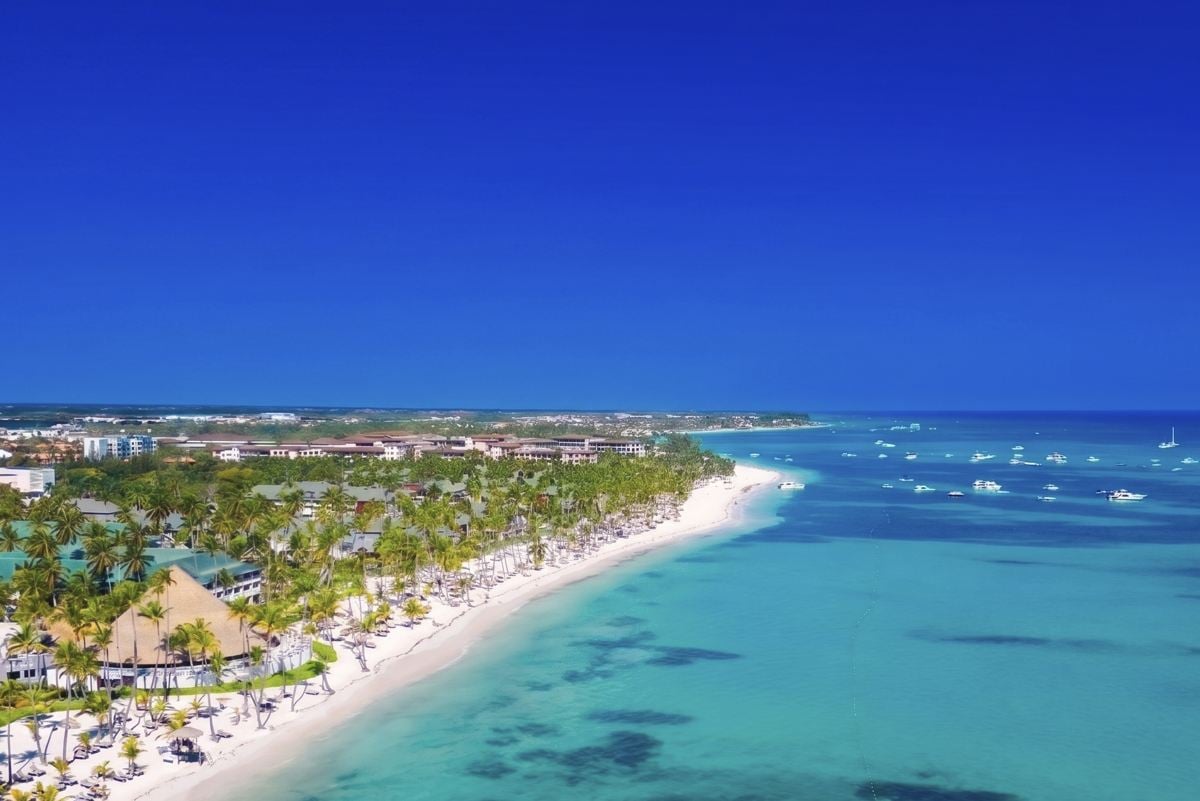
Italy’s Underrated ‘Santorini’ Island: Cheaper, Quieter, Just as Beautiful
Discover the tiny Italian island that rivals Santorini in looks but costs less and sees far fewer crowds.
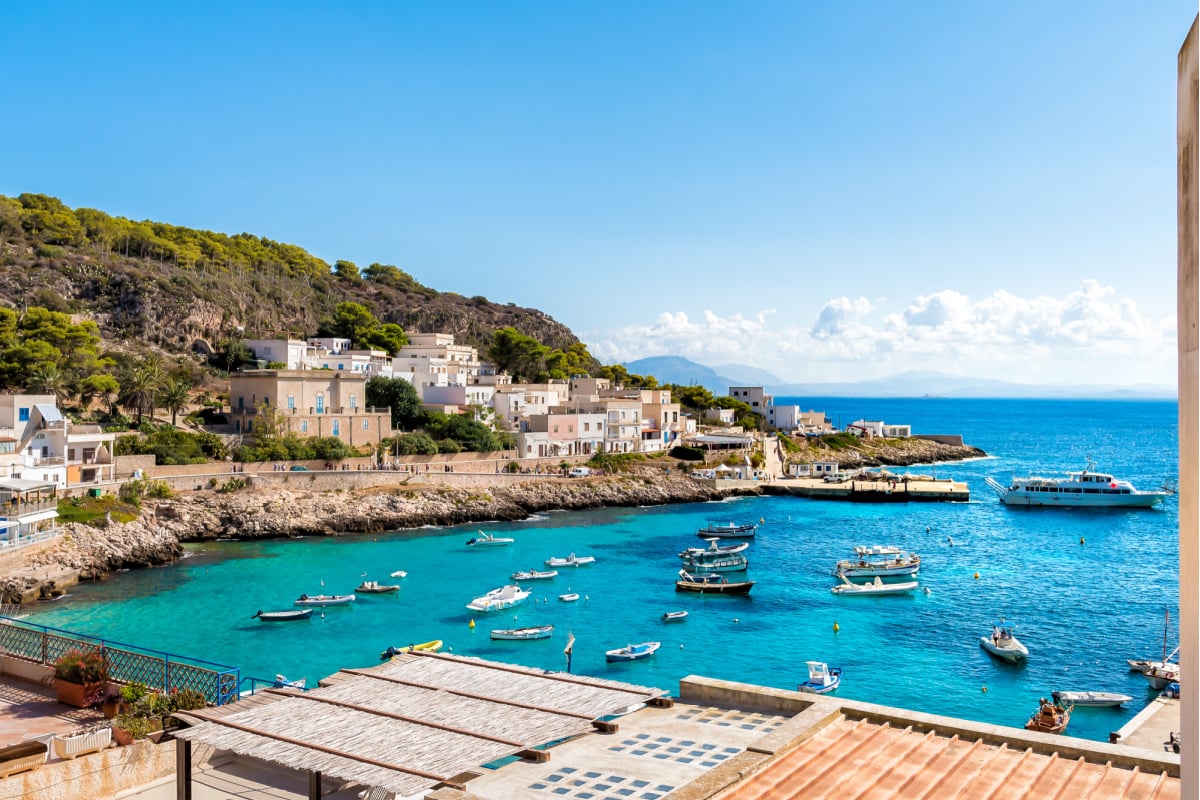
Image via Travel Off Path
Key takeaways
- A tiny 2.25-square-mile Italian island mimics Santorini’s whitewashed walls and cobalt-blue sea at lower costs.
- The island sees far fewer tourists than Santorini, offering a more authentic and less crowded experience.
- Prices for accommodation, dining, and activities are generally cheaper than in Greece’s famous Cycladic destinations.
- The location is ideal for travellers seeking Mediterranean beauty without the influencer-heavy, high-season chaos.
A Santorini Lookalike Without the Crowds
For years, Santorini has reigned as the postcard-perfect Greek island, its whitewashed buildings and cobalt-domed churches drawing millions of visitors annually. But that fame comes with a price—both in euros and in elbow room. Now, a small Italian island is emerging as a compelling alternative, offering nearly identical visuals but with cheaper prices and a fraction of the foot traffic.
Located off Italy’s coast, this 2.25-square-mile gem features the same signature aesthetic: blindingly white walls, deep blue shutters, and a sea that mirrors the sky. Yet instead of shoulder-to-shoulder crowds on narrow streets, visitors here find quiet lanes, local trattorias, and a pace of life that feels closer to an authentic Mediterranean village than a tourist hub.
What Travellers Should Know
The island’s compact size makes it easy to explore on foot or by scooter, with most attractions within a short walk. Accommodation ranges from family-run B&Bs to modest hotels, all at notably lower rates than Santorini’s high-season prices. Dining follows suit: fresh seafood and regional wines cost a fraction of what you’d pay in Oia or Fira, and reservations are rarely needed.
For travellers who love Santorini’s visual drama but dread the crowds—especially between June and September—this Italian alternative offers a respite. It also avoids the “influencer meet-up” atmosphere that has increasingly defined Santorini’s peak season. Instead, the vibe is more low-key, with a focus on sunsets, swimming, and unhurried exploration.
Why It Matters for Your Next Trip
As overtourism strains popular Mediterranean destinations, savvy travellers are increasingly seeking alternatives that deliver the same beauty without the stress. This island fits that trend perfectly. It’s still relatively unknown outside of Italian travel circles, meaning early adopters can enjoy a pristine experience before the secret gets out.
Practical considerations include ferry connections from mainland Italian ports and limited but adequate services. The best times to visit are late spring or early autumn, when weather is pleasant and crowds are even thinner. If you’re planning a Greece-or-Italy trip and crave that iconic blue-and-white scenery, this island might be the budget-friendly, crowd-free solution you’ve been looking for.
Frequently asked questions
How do I get to the Italian Santorini lookalike island?
Ferries operate from several mainland Italian ports, including Naples and Salerno. The journey typically takes a few hours. Check seasonal schedules in advance, as frequency can vary.
Is the island really cheaper than Santorini?
Yes. Accommodation, dining, and activities are generally 30-50% less than in Santorini during peak season. The overall cost of travel is lower, making it a more budget-friendly choice.
Are there crowds on this Italian island?
Much fewer than Santorini. While it can get busy during August holidays, the island remains significantly less crowded, even in high season.
What is the best time to visit this Italian island?
Late spring (May-June) and early autumn (September-October) offer pleasant weather, fewer tourists, and lower prices. Summer is still enjoyable but busier.
Does the island have the same white-and-blue architecture as Santorini?
Yes, the visual aesthetic is nearly identical, with whitewashed buildings, blue shutters and domes, and stunning sea views. It’s often called Italy’s Santorini for this reason.
Sources
This article was synthesised and fact-checked from the following reporting: