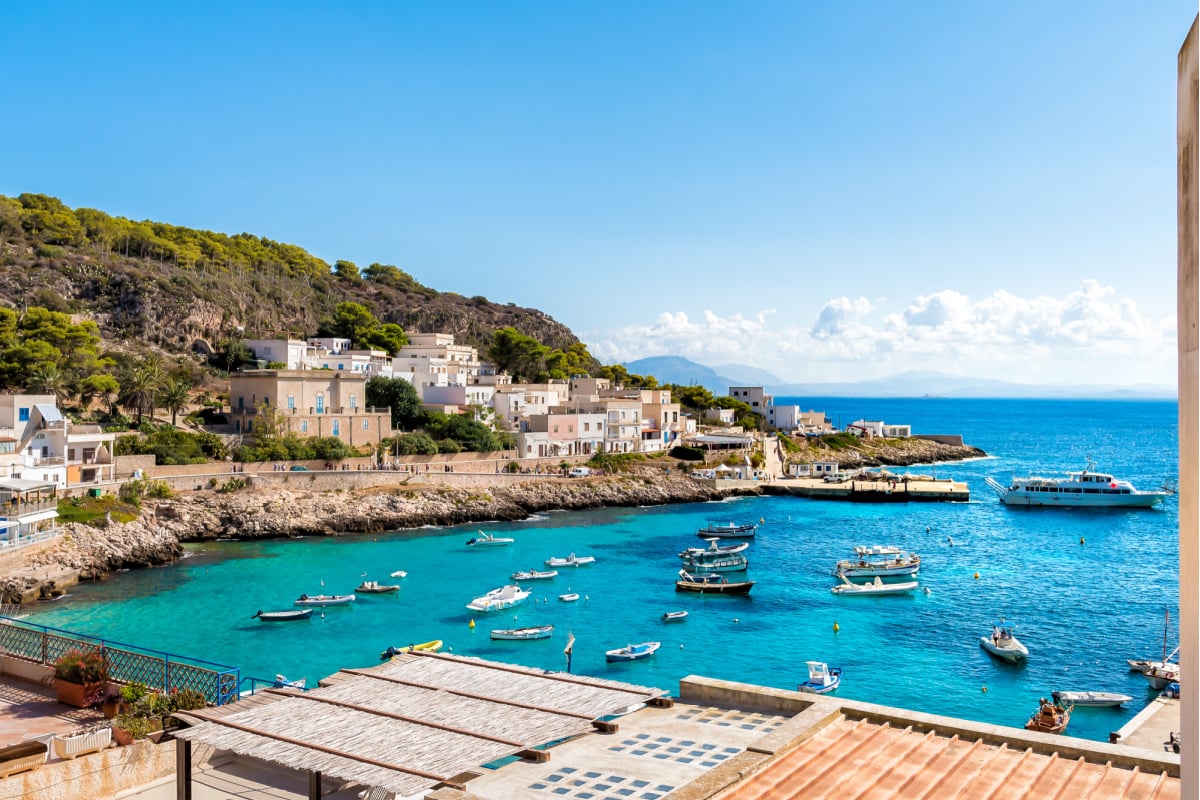
Budget-Friendly European Beach Town Emerges as Summer Alternative
As peak-season prices soar in popular Mediterranean destinations, travellers are discovering more affordable coastal alternatives for late-summer getaways.
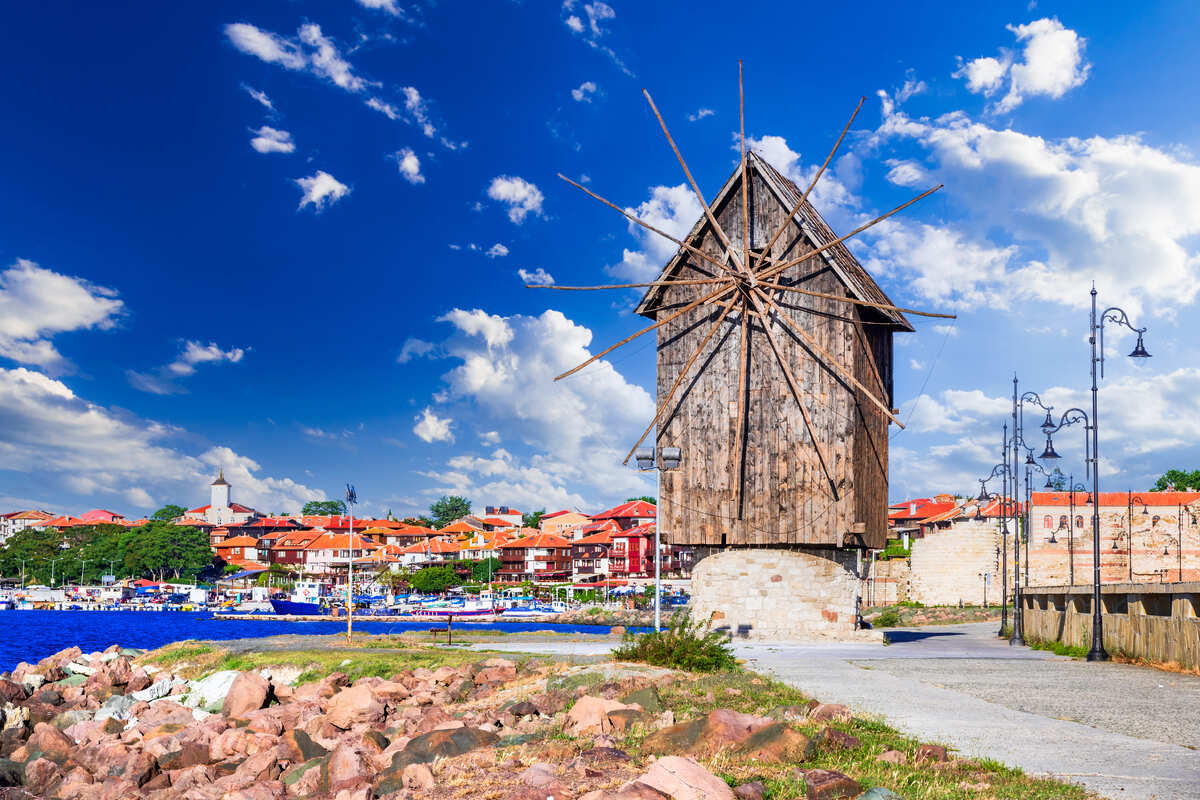
Image via Travel Off Path
Key takeaways
- Peak-season accommodation in popular Mediterranean destinations like Santorini can exceed $800 per night during summer months
- Lesser-known European coastal towns are emerging as viable alternatives for budget-conscious travellers seeking late-summer breaks
- Last-minute European travel planning during high season often results in significantly inflated prices for flights and accommodation
- Ancient beach towns across Europe offer cultural authenticity and coastal access without the premium pricing of overtouristed destinations
Summer Travel Costs Push Tourists to Seek Alternatives
European summer travel has reached a pricing threshold that's forcing many travellers to reconsider their destination choices. With accommodation in sought-after locations like Santorini commanding upwards of $800 per night for caldera-view properties, and flight costs to major hubs like Rome stretching budgets beyond comfort, the search for affordable Mediterranean alternatives has intensified.
The pricing pressure reflects broader trends in European tourism, where overtourism and peak-season demand have created a two-tier market. Popular destinations continue to attract visitors willing to pay premium rates, while budget-conscious travellers increasingly seek undiscovered coastal towns that offer similar appeal without the inflated costs.
The Appeal of Lesser-Known Coastal Destinations
Historic beach towns across Europe present compelling alternatives for travellers seeking authentic Mediterranean experiences. These locations typically feature ancient architecture, local culinary traditions, and beach access comparable to their famous counterparts, but with significantly lower accommodation and dining costs.
The advantage extends beyond pricing. Lesser-known destinations often provide more authentic cultural experiences, with local communities less affected by mass tourism. Travellers can expect shorter queues at historical sites, easier beach access, and restaurants serving regional cuisine at prices that reflect local economies rather than tourist premiums.
Practical Considerations for Late-Season Planning
Last-minute summer travel to Europe requires strategic thinking. While spontaneity has appeal, the reality of peak-season pricing means travellers booking with short notice face limited availability and elevated costs in mainstream destinations. This dynamic has created opportunities for alternative locations that remain accessible both in terms of availability and affordability.
Transportation logistics also factor into destination selection. Secondary airports and regional connections may offer better value than direct flights to major tourist hubs, though travellers should factor in additional travel time and potential connection complications.
What This Means for Summer Travellers
The current pricing environment in European tourism suggests a recalibration of expectations for summer travel. The traditional Mediterranean circuit of well-known islands and coastal cities may remain financially out of reach for many travellers, particularly those booking within the season.
However, Europe's extensive coastline and rich historical heritage mean alternatives exist across the continent. From Portugal's Atlantic coast to lesser-visited Greek islands, from southern Italy's smaller towns to Croatia's emerging destinations, options remain for travellers willing to venture beyond the standard itinerary.
The key to successful late-summer European travel lies in flexibility—both in destination choice and in willingness to explore locations that haven't yet reached mainstream tourism consciousness. These destinations often provide the essential elements travellers seek: coastal beauty, historical significance, and authentic local culture, delivered at prices that make the trip financially feasible.
Frequently asked questions
Why are European beach destinations so expensive during summer?
Peak summer season (June through August) sees maximum demand for Mediterranean destinations, with limited accommodation capacity driving prices upward. Popular locations like Santorini can charge $800+ per night due to high demand and overtourism pressures.
What should I look for in alternative European beach towns?
Seek destinations with historical significance, authentic local culture, and beach access that aren't heavily promoted on mainstream tourism channels. Consider transportation accessibility, accommodation availability, and whether the location offers the experiences you value most.
Is it worth booking last-minute summer travel to Europe?
Last-minute bookings during peak season typically face higher prices and limited availability in popular destinations. However, lesser-known locations may still offer reasonable rates and availability, making flexibility in destination choice essential for budget-conscious travellers.
How can I find affordable European beach destinations?
Research secondary coastal towns in popular regions, explore less-visited countries with Mediterranean or Atlantic coastlines, and consider destinations served by regional airports rather than major tourist hubs. Off-season shoulder months also offer better value.
Sources
This article was synthesised and fact-checked from the following reporting: