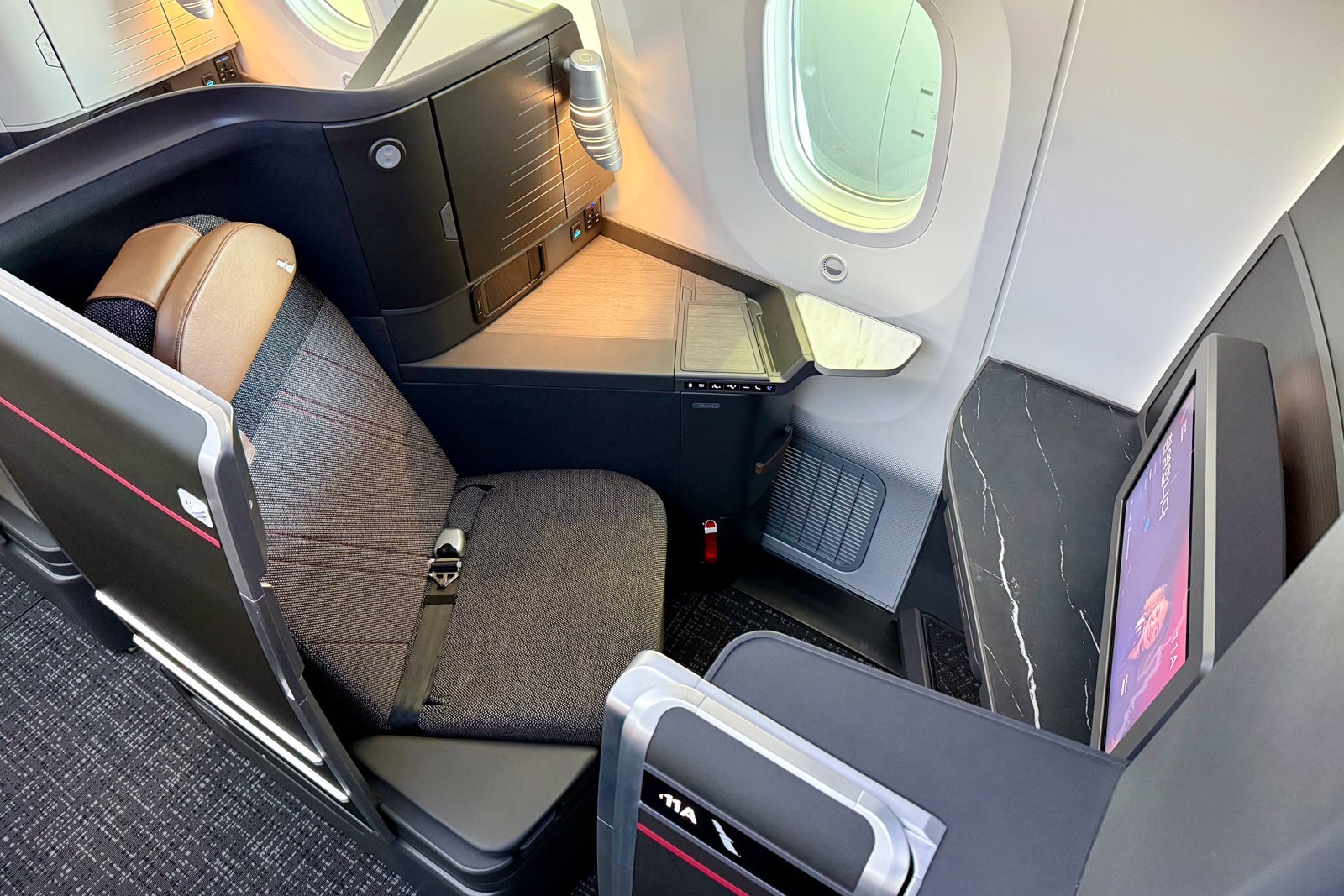
American Airlines Seat and Dessert Disputes: What Passengers Should Know
Two recent incidents on American Airlines flights—one involving a passenger refusing to vacate a broken business class seat and another where a flight attendant confiscated dessert taken back to coach—highlight the fine line between cabin policy and passenger rights.
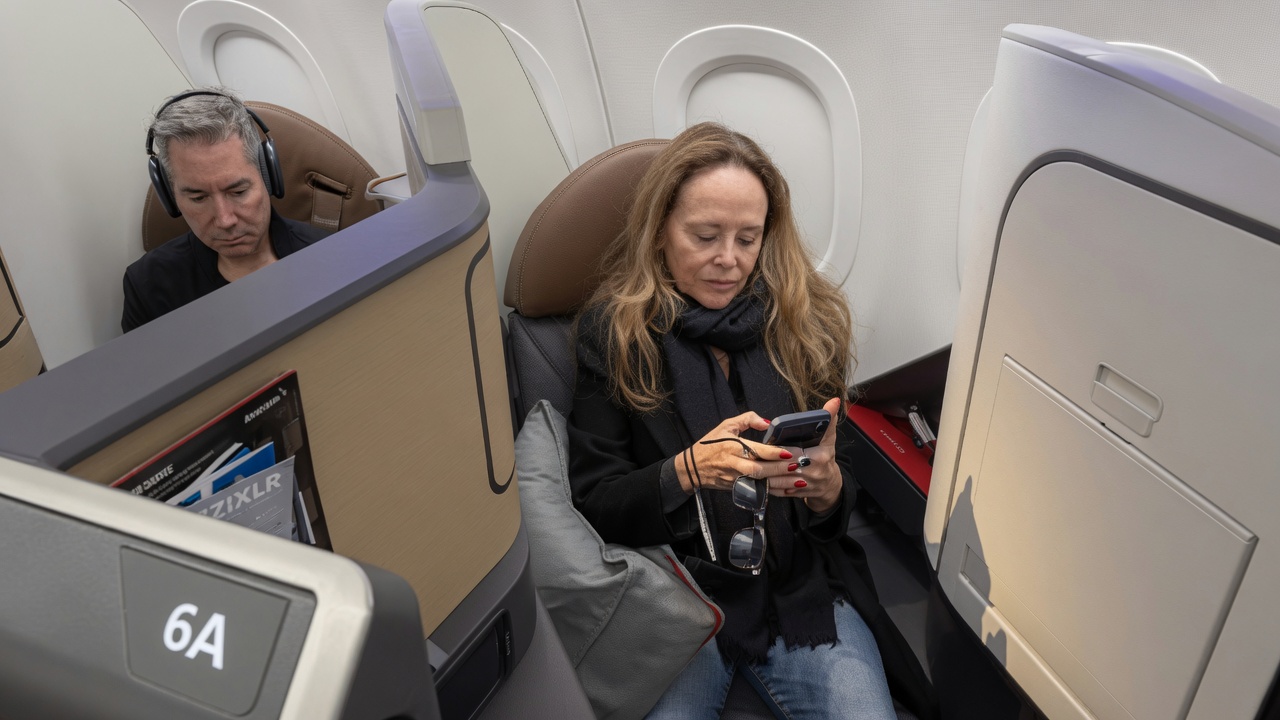
Image via View from the Wing
Key takeaways
- A passenger on an American Airlines flight refused to move from his upgraded business class seat after the seat he was offered was broken, and ultimately kept his original seat.
- In a separate incident, an American Airlines flight attendant confiscated bread and dessert that a passenger attempted to bring from business class back to coach for his wife.
- Airlines typically reserve the right to reassign seats for operational or safety reasons, but passengers can refuse an unacceptable alternative.
- Carry-on food and beverages from a different cabin class are generally not prohibited, but flight attendants have discretion to enforce cabin-specific service rules.
- Both incidents underscore the importance of knowing your rights and remaining polite but firm when airline policies feel inconsistent.
Two recent incidents on American Airlines flights have sparked debate among travelers about where passenger rights end and cabin policy begins. In one case, a passenger refused to give up his upgraded business class seat after being told the seat was needed for another traveler whose own seat had broken. In another, a flight attendant confiscated a dessert and bread roll that a passenger intended to carry from business class back to coach for his wife. While the outcomes differed, both stories highlight the gray areas that can arise when airline staff enforce rules on the fly.
What Happened in the Seat Dispute
On an American Airlines flight, a passenger who had been upgraded to business class was asked by a flight attendant to move. The reason: another passenger’s seat in business class had malfunctioned, and the airline needed to reseat that traveler. The passenger was offered the broken seat as a replacement — effectively a downgrade to a non-functional seat — or a return to economy. He refused both options, insisting on keeping his original seat. After a tense exchange, the flight attendant relented, and the passenger remained in his upgraded seat for the duration of the flight.
The incident raises a practical question: Can an airline force you to move from a seat you’ve been assigned, especially if you’ve paid for or earned an upgrade? Generally, airlines reserve the right to reassign seats for operational or safety reasons, but they must offer a comparable alternative. A broken seat is not a comparable alternative, and the passenger’s refusal to accept a downgrade was reasonable. The resolution — allowing him to stay — suggests that the airline ultimately agreed.
When a Dessert Becomes a Confiscated Item
In a separate event on another American Airlines flight, a passenger’s wife was seated in business class but could not finish her dessert and bread roll. She asked her husband, who was in coach, to take them back to his seat. The flight attendant stopped him, confiscated the items, and explained that food and beverages from business class cannot be taken to coach. The passenger was left without the treats, and the incident became a talking point about cabin service boundaries.
Airlines often have policies that restrict moving food and drink between cabins, especially when it involves premium-class items intended for that cabin’s passengers. However, the policy is not always consistently enforced. On some flights, flight attendants may allow it; on others, they may strictly prohibit it. The key factor is that the items were already served and partially consumed by a passenger in business class, not taken from an unserved tray. In this case, the flight attendant appears to have been enforcing a rule that prioritizes cabin service integrity over generosity.
What These Incidents Mean for Travelers
Both stories underscore the importance of knowing your rights and the limitations of airline policies. When it comes to seat assignments, if you are asked to move and the offered alternative is clearly inferior (e.g., a broken seat), you have the right to refuse. The airline’s obligation is to provide a seat that meets basic safety and comfort standards. If they cannot, you may be entitled to compensation or the right to stay put.
Regarding food and drink, the rules are less clear-cut. While it is not illegal to carry food from one cabin to another, flight attendants have significant discretion to enforce cabin-specific service rules. If you want to avoid conflict, it’s best to ask a flight attendant for permission before moving items between cabins. If you’re denied, pushing back is unlikely to result in a different outcome and may escalate tensions.
How to Handle a Similar Situation on Your Flight
If you find yourself in a seat dispute, remain calm and polite. State your preference clearly: you are not comfortable moving to a broken seat, and you would like to keep your current assignment. If the airline insists, ask to speak with a supervisor or request compensation (e.g., miles, a travel voucher) for the inconvenience. Document the interaction with notes or photos if possible. In most cases, a reasonable request will be accommodated.
For food-related issues, the best approach is to ask before taking. Say something like, “My wife couldn’t finish her dessert; may I bring it back to my seat?” If the flight attendant says no, accept it gracefully. Arguing over a roll is not worth the stress. If you feel the policy was applied unfairly, you can file a complaint with American Airlines customer service after the flight.
The Bigger Picture: Cabin Policy Enforcement Varies
American Airlines, like most carriers, trains its crew to maintain consistency in cabin service. However, enforcement can vary widely from one flight attendant to another. What one crew allows, another may forbid. The airline’s official stance is that passengers should not move items between cabins, but in practice, exceptions are sometimes made. The key takeaway for travelers is to be aware of the baseline rules, but also to understand that individual crew members have the final say during the flight. Knowing your rights and choosing your battles wisely can make the difference between a peaceful journey and an unnecessary confrontation.
Frequently asked questions
Can an airline force me to give up my seat if another passenger’s seat is broken?
Airlines can reassign seats for operational or safety reasons, but they must offer a comparable alternative. If the only alternative is a broken seat or a downgrade, you have the right to refuse and request to keep your original seat. Politely standing your ground often works.
Is it allowed to take food from business class back to coach?
Airlines generally discourage moving food and beverages between cabins, as premium-class items are intended for that cabin’s passengers. Flight attendants have discretion to enforce this rule. It’s best to ask permission before taking any items from one cabin to another.
What should I do if a flight attendant asks me to move to a broken seat?
Remain calm and politely explain that you are not comfortable moving to a broken seat. If the airline insists, ask to speak with a supervisor or request compensation. Document the interaction. Most airlines will eventually accommodate a reasonable request rather than escalate the situation.
Can I file a complaint with American Airlines if I feel a policy was unfairly enforced?
Yes. You can submit a complaint through American Airlines’ customer service page or via their social media channels. Be specific about the flight number, date, and the incident. While you may not get a direct response, the feedback helps the airline review its policies.
Do all airlines have the same policy about moving food between cabins?
No. Policies vary by airline and even by individual flight attendant. Some airlines are more strict, while others may allow passengers to take unopened or partially consumed items back to another cabin. Always check with the crew before moving items between cabins.
Sources
This article was synthesised and fact-checked from the following reporting: