US Airlines Can Fly to Lebanon Again, But Will Any Actually Go? Here's What's Next
The Trump administration lifted a decades-old ban on U.S. carriers flying to Beirut. But safety warnings, insurance costs, and weak demand mean no airline may actually launch the route.

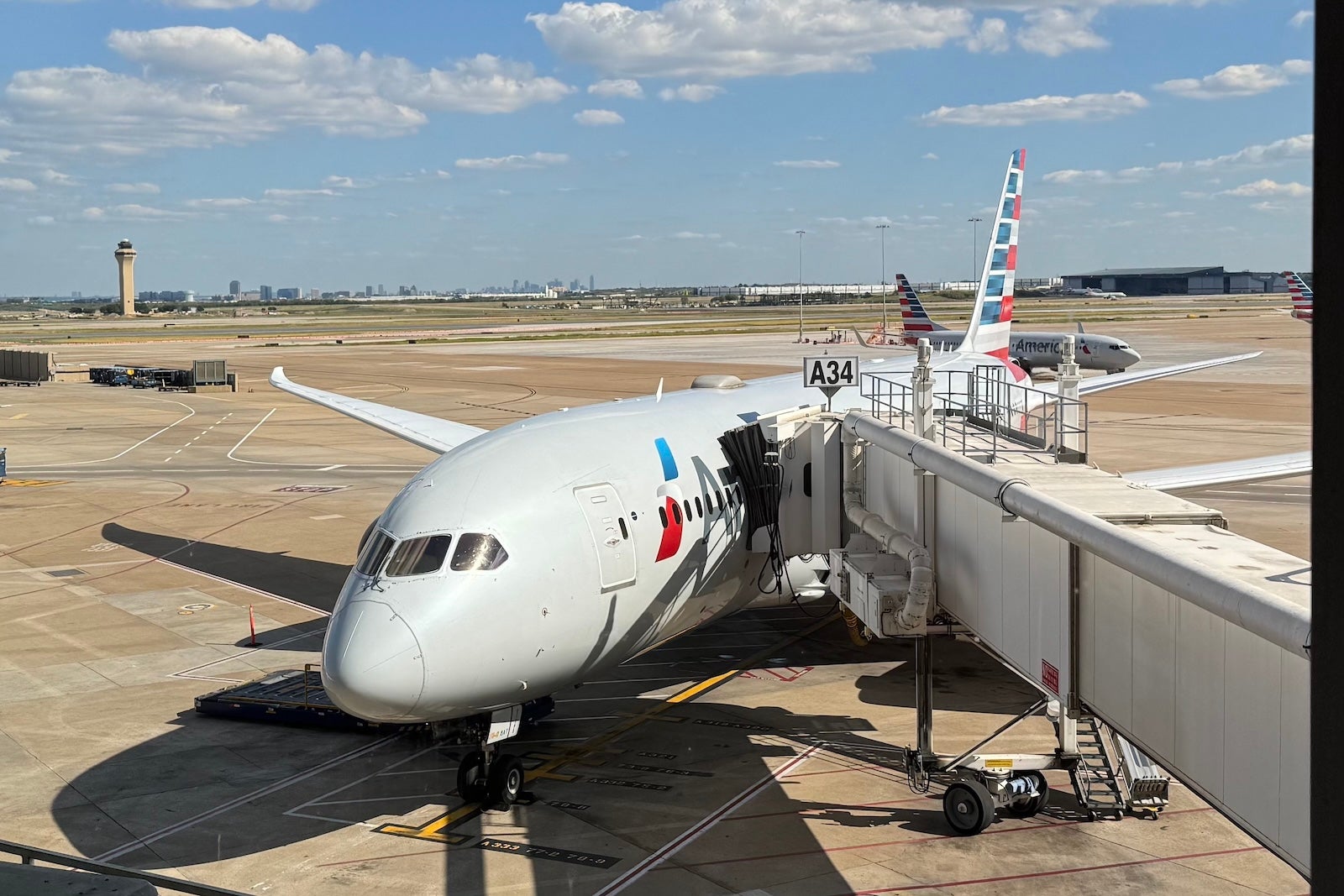
Image via View from the Wing
Key takeaways
- The Trump administration lifted a decades-old ban on U.S. airlines flying nonstop to Lebanon.
- Even with the ban lifted, no major U.S. airline has announced plans to serve Beirut due to safety concerns and weak demand.
- The FAA still maintains a warning against U.S. flights into Lebanon due to security risks, which affects insurance and operational planning.
- Middle Eastern carriers like Emirates, Qatar Airways, and Turkish Airlines already serve Beirut, making competition difficult for a new U.S. entrant.
- The ban was originally imposed in the 1990s due to security concerns and was not a direct result of the current Israel-Hezbollah conflict.
The Trump administration has lifted a decades-old ban prohibiting U.S. airlines from flying nonstop to Lebanon, opening the door for carriers like Delta, American, and United to potentially serve Beirut-Rafic Hariri International Airport (BEY). But the move is largely symbolic: lifting the ban is only the first step, and the economics, safety warnings, and insurance hurdles make it highly unlikely that any U.S. carrier will actually launch the route.
What the Lifting of the Lebanon Flight Ban Actually Means
The ban, originally imposed in the 1990s, prohibited U.S. airlines from operating nonstop flights between the United States and Lebanon due to security concerns. It was not a direct result of the current Israel-Hezbollah conflict, but rather a longstanding restriction tied to the broader security environment in Lebanon. The Trump administration's decision to lift it removes a regulatory barrier, but it does not mandate that airlines fly to Beirut.
In a statement, the White House framed the move as a step toward strengthening ties with Lebanon and supporting the Lebanese people. However, the practical effect is limited: no U.S. airline has announced plans to launch nonstop service to Beirut, and industry analysts say it's unlikely any will do so in the near future.
Why U.S. Airlines Are Unlikely to Serve Beirut
Even with the ban lifted, several major obstacles remain:
Safety warnings: The Federal Aviation Administration (FAA) still maintains a Notice to Air Missions (NOTAM) warning against U.S. carriers flying into Lebanese airspace due to the risk of anti-aircraft weapons and other security threats. This warning does not legally prohibit flights, but it strongly discourages them and can affect insurance coverage and operational planning.
Insurance costs: Airlines operating into high-risk destinations face significantly higher insurance premiums, and some insurers may refuse to cover flights to Beirut at all. This would make the route financially unviable for most U.S. carriers unless demand is extremely high.
Weak demand: The U.S.-Lebanon market is relatively small. While there is a significant Lebanese diaspora in the United States, most travelers already connect through hubs in Europe or the Middle East. Middle Eastern carriers like Emirates, Qatar Airways, and Turkish Airlines already offer extensive service to Beirut with convenient connections, making it difficult for a U.S. airline to compete.
Lack of aircraft and pilot availability: U.S. airlines are currently facing pilot shortages and capacity constraints. Adding a new long-haul route to a challenging destination would require significant investment in aircraft, crew training, and operational planning that most carriers are not willing to make.
What This Means for Travelers
For travelers hoping to fly nonstop between the United States and Lebanon, the lifting of the ban is a positive sign but not a guarantee. Here's what to expect in the near term:
- No immediate changes: No U.S. airline has announced plans to launch flights to Beirut. Travelers should continue to book connections via European or Middle Eastern hubs.
- Possible charter or seasonal service: Some analysts suggest that a U.S. airline might consider seasonal or charter flights to Beirut during peak travel periods, but even that is uncertain.
- Monitor FAA advisories: The FAA's safety warning is a key factor. If the security situation in Lebanon improves and the warning is lifted, the case for a U.S. carrier becomes stronger.
The Bigger Picture: U.S. Airline Routes in the Middle East
The lifting of the Lebanon ban comes amid a broader re-evaluation of U.S. airline routes in the Middle East. In recent years, U.S. carriers have reduced or eliminated service to some destinations in the region due to security concerns and weak demand. For example, American Airlines suspended flights to Cairo in 2023, and United Airlines has scaled back its Middle East network.
Meanwhile, Middle Eastern carriers have expanded their U.S. networks, offering competitive service to cities like New York, Chicago, and Los Angeles. This dynamic makes it even harder for U.S. airlines to justify launching a new route to Beirut, where they would face strong competition from established players.
What's Next: Will Any U.S. Airline Fly to Beirut?
For now, the answer is almost certainly no. The lifting of the ban removes a bureaucratic hurdle, but the real barriers—safety, insurance, demand, and competition—remain. Unless the security situation in Lebanon improves dramatically and demand surges, U.S. carriers are likely to stay away.
Travelers who need to fly between the United States and Lebanon should continue to book through European or Middle Eastern hubs. The lifting of the ban is a diplomatic gesture, not a practical shift in air travel options.
Frequently asked questions
Can I now book a nonstop flight from the U.S. to Beirut?
No. No U.S. airline has announced plans to launch nonstop flights to Beirut, so travelers should continue to book connecting flights via European or Middle Eastern hubs.
Why did the U.S. ban flights to Lebanon in the first place?
The ban was originally imposed in the 1990s due to security concerns, including the risk of anti-aircraft weapons and other threats to civil aviation in Lebanese airspace.
Does the FAA still warn against flying to Lebanon?
Yes, the FAA maintains a Notice to Air Missions (NOTAM) warning against U.S. carriers flying into Lebanese airspace due to security risks, which affects insurance and operational planning.
Which airlines currently fly to Beirut from the U.S.?
No U.S. airlines fly nonstop to Beirut. However, Middle Eastern carriers like Emirates, Qatar Airways, and Turkish Airlines offer connecting flights via their hubs, as do European carriers like Lufthansa and Air France.
Could a U.S. airline ever start flying to Beirut?
It's possible if the security situation improves, the FAA warning is lifted, and demand increases. But for now, the obstacles of safety, insurance costs, and weak demand make it highly unlikely.
Sources
This article was synthesised and fact-checked from the following reporting: