What to Do When Your Hotel Evacuates or Cancels Your Stay
From natural disasters to overbooking, hotels sometimes can't accommodate guests. Here's how to protect yourself and secure alternative lodging.
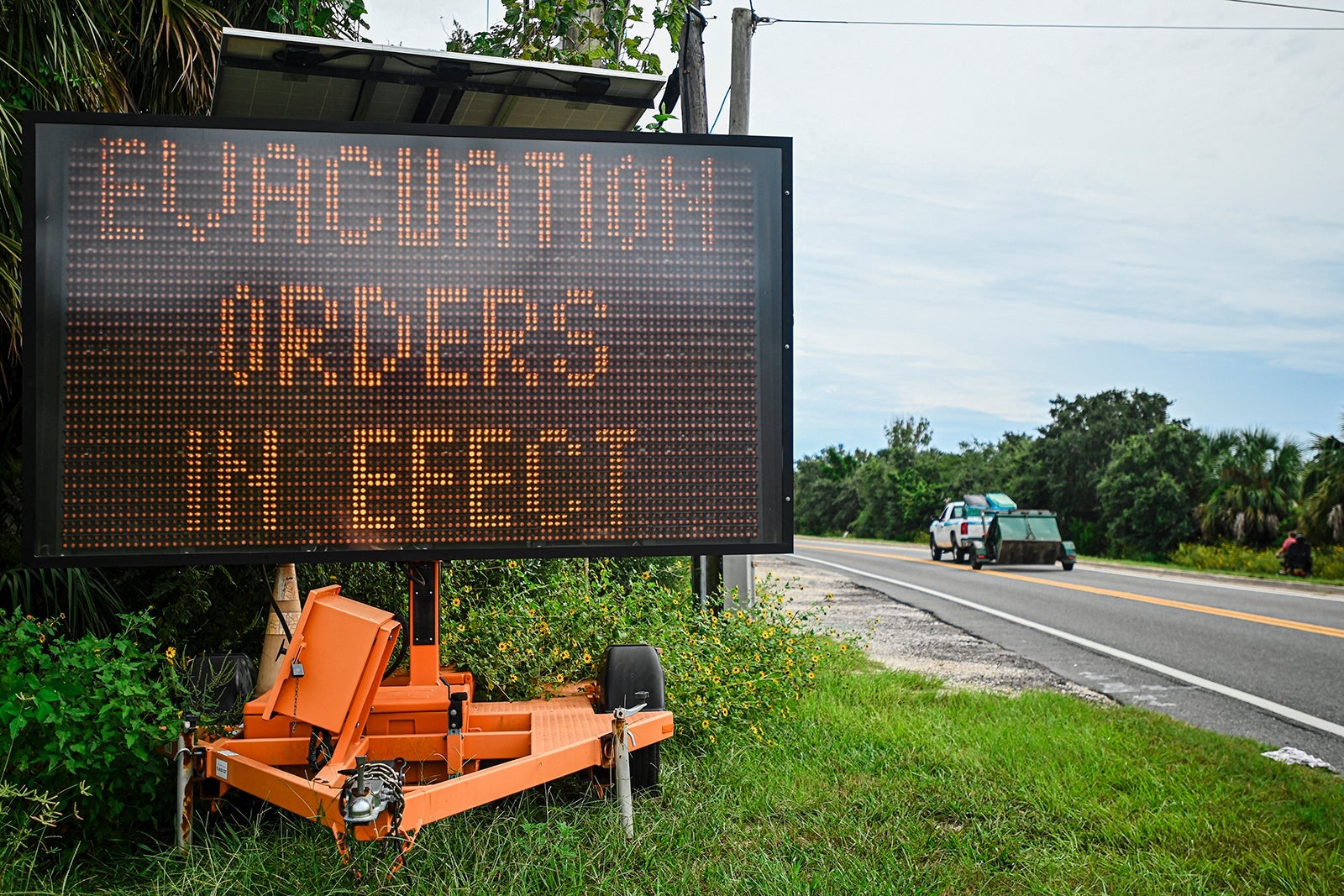
Image via The Points Guy
Key takeaways
- Hotels may need to evacuate or cancel bookings due to emergencies, overbooking, maintenance issues, or natural disasters
- Guests should immediately document the situation, contact their booking platform, and request written confirmation of cancellation
- Travel insurance and credit card protections can help cover costs of alternative lodging when hotels cannot accommodate guests
- Major hotel chains typically relocate guests to comparable properties or provide full refunds when they cannot fulfill reservations
- Keeping records of all communications and expenses is essential for securing reimbursement
When Hotels Can't Accommodate You
Hotel evacuations and last-minute cancellations represent one of travel's most stressful scenarios. Whether triggered by natural disasters, building emergencies, overbooking situations, or unexpected maintenance issues, these disruptions leave travellers scrambling for alternative accommodation—often at the worst possible time.
Understanding your rights and knowing the proper steps to take can mean the difference between a manageable inconvenience and a travel nightmare that costs hundreds or thousands of dollars.
Immediate Steps When Your Hotel Cancels
The moment you learn your hotel cannot accommodate you, documentation becomes critical. Request written confirmation of the cancellation or evacuation from hotel management, including the specific reason. This documentation proves essential for securing refunds and filing insurance claims.
Contact your booking platform immediately—whether that's the hotel directly, an online travel agency, or a credit card travel portal. Many major booking platforms maintain 24/7 customer service lines specifically for emergencies. If you booked through a third party, they often have access to inventory and negotiating power individual travellers lack.
For guests already checked in when an evacuation occurs, retrieve all belongings if safely possible and obtain a receipt or documentation for any items left behind. Hotels typically provide specific instructions for retrieving possessions after emergency evacuations.
Securing Alternative Accommodation
Most reputable hotel chains will attempt to relocate displaced guests to comparable properties within their portfolio. This represents the ideal scenario, as it typically involves no additional cost and maintains your original booking terms. However, during widespread events affecting multiple properties, alternative arrangements may not be immediately available.
When hotels cannot provide alternatives, guests should begin searching for replacement lodging while simultaneously working on refunds. During high-demand periods or emergencies, accommodation options diminish rapidly. Booking first and sorting out reimbursement later often proves necessary, though this requires financial flexibility.
Understanding Your Financial Protections
Travel insurance policies frequently cover additional accommodation expenses when hotels cannot fulfill reservations due to covered events. Review your policy's trip interruption and accommodation coverage limits. Natural disasters, building damage, and similar emergencies typically qualify, though standard overbooking may not.
Many premium travel credit cards provide trip interruption insurance and hotel booking protections. These benefits may reimburse additional lodging costs when your original hotel becomes unavailable due to no fault of your own. Contact your card issuer's benefits administrator to understand coverage and initiate claims.
For bookings made through major online travel agencies or hotel loyalty programs, customer service representatives often have authority to provide credits, refunds, or compensation beyond standard policies when circumstances warrant.
Preventing Future Disruptions
While some hotel cancellations remain unpredictable, travellers can take preventive measures. Booking directly with hotels rather than through third parties often provides more flexibility and faster resolution when problems arise. Enrolling in hotel loyalty programs, even at no cost, typically ensures better treatment during irregular operations.
Maintaining travel insurance for significant trips, particularly to areas with weather risks or during peak seasons, provides financial protection and peace of mind. Reading cancellation policies carefully before booking helps travellers understand their rights and potential liabilities.
The fundamental principle: when hotels fail to provide promised accommodation, they bear responsibility for refunds and, in many cases, assistance finding alternatives. Knowing this empowers travellers to advocate effectively for themselves during stressful situations.
Frequently asked questions
Am I entitled to a refund if my hotel evacuates or cancels my reservation?
Yes, hotels must provide full refunds when they cannot accommodate guests due to circumstances within their control or force majeure events. This applies regardless of whether you booked a non-refundable rate, as the hotel has failed to provide the contracted service.
Will hotels pay for alternative accommodation if they cancel my booking?
Major hotel chains typically relocate guests to comparable properties at no additional cost when possible. If no alternatives exist within their portfolio, policies vary—some may assist with finding accommodation elsewhere, though they're not always required to cover those costs unless specified in their policies.
Does travel insurance cover hotel evacuations and cancellations?
Most comprehensive travel insurance policies cover additional accommodation expenses when hotels cancel due to covered events like natural disasters, fires, or building damage. Review your specific policy for coverage limits and excluded situations.
What should I do first when my hotel says they can't accommodate me?
Immediately request written confirmation of the cancellation including the reason, then contact your booking platform's customer service. Document everything with photos and keep all receipts for any additional expenses you incur finding alternative lodging.
Can I dispute hotel cancellation charges on my credit card?
Yes, if a hotel cancels your reservation but attempts to charge cancellation fees or refuses a refund, you can dispute the charge with your credit card company. Provide documentation showing the hotel cancelled the booking, not you.
Sources
This article was synthesised and fact-checked from the following reporting: