United CEO Pitched Delta Merger: 35% Market Share Airline
United Airlines CEO Scott Kirby reportedly approached Delta Air Lines about a merger that would create a carrier controlling roughly 35% of the U.S. domestic market, though the proposal quickly stalled.
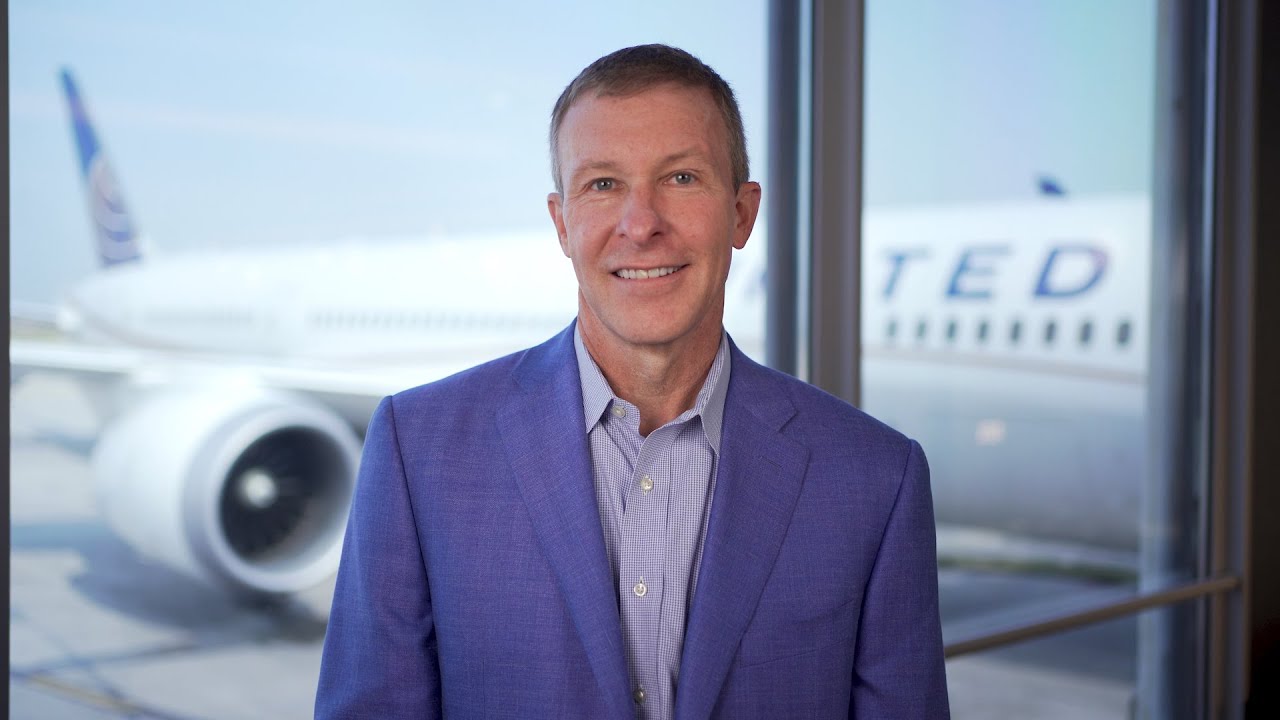
Image via View from the Wing
Key takeaways
- United Airlines CEO Scott Kirby reportedly proposed a merger with Delta Air Lines that would have created a carrier controlling roughly 35% of the U.S. domestic market.
- Delta CEO Ed Bastian rejected the idea, and the merger was never formally pursued.
- Such a combination would have faced severe antitrust challenges due to overlapping dominance in New York, Los Angeles, and key international routes.
- The proposal highlights ongoing industry consolidation ambitions despite a regulatory environment that has blocked major airline mergers in recent years.
- If completed, the merged airline would have been the largest in the world by traffic, surpassing American Airlines and Southwest.
In a move that underscores the relentless pursuit of scale in the airline industry, United Airlines CEO Scott Kirby reportedly approached Delta Air Lines CEO Ed Bastian with a merger proposal that would have created a single carrier controlling roughly 35% of the U.S. domestic market. The pitch, first reported by View from the Wing, went nowhere quickly, but it offers a rare glimpse into the consolidation ambitions simmering at the highest levels of American aviation.
The Merger That Never Was
According to sources familiar with the discussion, Kirby made the overture to Bastian sometime in the past year, suggesting that combining United and Delta would create an airline with unprecedented scale and network efficiency. The merged carrier would have dominated key hubs across the country, including United's strongholds in Chicago, Denver, San Francisco, and Newark, alongside Delta's fortress hubs in Atlanta, Detroit, Minneapolis, and Salt Lake City. Internationally, the combined airline would have commanded outsized shares on transatlantic routes to London, Paris, and Amsterdam, as well as extensive networks to Latin America and Asia.
Bastian reportedly declined to engage, and no formal negotiations ever took place. The idea never reached the boardroom level at either airline, let alone regulators. Kirby's proposal was more a strategic feeler than a serious offer, but it reveals a mindset among some airline executives that further consolidation is inevitable—and desirable.
Why It Would Have Been a Non-Starter
Even if Delta had been interested, the merger would have faced nearly insurmountable regulatory hurdles. The Biden administration's Department of Justice has taken a tough stance on airline consolidation, successfully blocking the proposed merger between JetBlue and Spirit Airlines in 2024. Any combination involving two of the "Big Four" carriers (American, Delta, United, and Southwest) would almost certainly be challenged under antitrust law.
A United-Delta tie-up would be particularly problematic. In New York, the combined airline would control a dominant share of slots at LaGuardia and John F. Kennedy airports. In Los Angeles, it would command a leading position at LAX. Across the Atlantic, the merged carrier would face objections from European regulators worried about reduced competition on routes to London Heathrow, Paris Charles de Gaulle, and Amsterdam Schiphol. Similar concerns would arise in Latin America (especially to Mexico, Brazil, and Colombia) and Asia (Tokyo, Hong Kong, Singapore).
Antitrust experts say the combined airline would have been forced to divest significant assets—likely entire hubs or route networks—to win approval. Such concessions would have undermined the strategic rationale for the merger in the first place.
What It Means for Travelers
For passengers, the failed proposal is a reminder that the U.S. airline industry remains highly concentrated, and further consolidation could reduce competition. Today, the four largest airlines control roughly 80% of the domestic market. A United-Delta merger would have pushed that figure above 90%, giving the combined carrier enormous pricing power.
However, travelers may also take comfort in the fact that regulators are unlikely to allow such a deal anytime soon. The current political climate favors maintaining a competitive landscape, even as airlines struggle with rising costs and capacity constraints.
Yet the proposal also signals that airline CEOs continue to think big. Kirby, who previously served as president of United and before that as an executive at American and US Airways, has long advocated for consolidation as a way to achieve economies of scale and improve profitability. His pitch to Delta suggests that, despite regulatory headwinds, the industry's leaders still see mergers as the path to long-term stability.
The Bigger Picture: Industry Consolidation Trends
The United-Delta proposal fits into a broader pattern of airline consolidation that has reshaped U.S. aviation over the past two decades. The mergers of Delta and Northwest (2008), United and Continental (2010), Southwest and AirTran (2011), American and US Airways (2013), and Alaska and Virgin America (2016) have reduced the number of major network carriers from eight to four. Each wave of consolidation has been met with promises of better service and efficiency, but critics argue it has led to higher fares, fewer route options, and diminished customer service.
The failed Kirby-Bastian pitch also comes as other consolidation efforts are underway. JetBlue and Spirit attempted to merge before being blocked. Alaska Airlines acquired Hawaiian Airlines in 2024, a deal that did win regulatory approval. And United itself has been rumored to be interested in acquiring smaller carriers like JetBlue or even a foreign airline to expand its network.
For now, the prospect of a United-Delta merger is dead. But the fact that it was even proposed suggests that the airline industry's appetite for mega-deals remains strong. If the political winds shift in the future, such a combination could be revisited—but that is a long way off.
Practical Takeaways for Travelers
- Keep an eye on route competition: While no merger is imminent, travelers should monitor route changes and fare trends. If two airlines that compete heavily on a given route start coordinating or reducing capacity, it could be a sign of underlying consolidation pressures.
- Loyalty programs are sticky: A merged airline would likely combine loyalty programs, potentially devaluing miles or points. If you are a United or Delta loyalist, diversify your rewards across multiple programs to hedge against future changes.
- Antitrust enforcement matters: The current regulatory environment is hostile to airline mergers, but that could change with a new administration. Travelers who value competition should pay attention to the political landscape.
- Book with flexibility: In a consolidated market, airlines have more leverage to change schedules, cancel flights, or raise fees. Booking refundable fares or using travel credits can protect you from unexpected disruptions.
The United-Delta merger pitch may have been a non-starter, but it reveals the ambitions that continue to drive the airline industry. For now, travelers can enjoy the benefits of a relatively competitive market—but they should stay alert to what the future might bring.
Frequently asked questions
Did United Airlines and Delta Air Lines actually try to merge?
No formal merger attempt was made. United CEO Scott Kirby reportedly pitched the idea to Delta CEO Ed Bastian, but Bastian declined to engage, and no negotiations took place.
Would a United-Delta merger be legal?
Almost certainly not under current antitrust law. The combined airline would control about 35% of the U.S. domestic market and face objections in numerous key markets, making regulatory approval extremely unlikely.
How would a United-Delta merger affect airfares?
If approved, reduced competition would likely lead to higher fares, especially on routes where the two airlines currently compete directly. Travelers in hub cities like New York, Los Angeles, and Chicago would be most affected.
What other airline mergers have been proposed recently?
The most notable recent attempt was JetBlue's proposed acquisition of Spirit Airlines, which was blocked by a federal judge in 2024. Alaska Airlines successfully acquired Hawaiian Airlines in 2024.
Could a United-Delta merger happen in the future?
It is possible if the regulatory environment changes, but for now it is highly unlikely. Both airlines are focused on organic growth and operational improvements rather than mega-mergers.
Sources
This article was synthesised and fact-checked from the following reporting: