Beat the Heat and Crowds: Expert Summer Travel Tips
Record-breaking temperatures and packed attractions are defining this summer's travel season. Global Travel News has gathered practical, staff-tested strategies to help you navigate the chaos and stay comfortable.
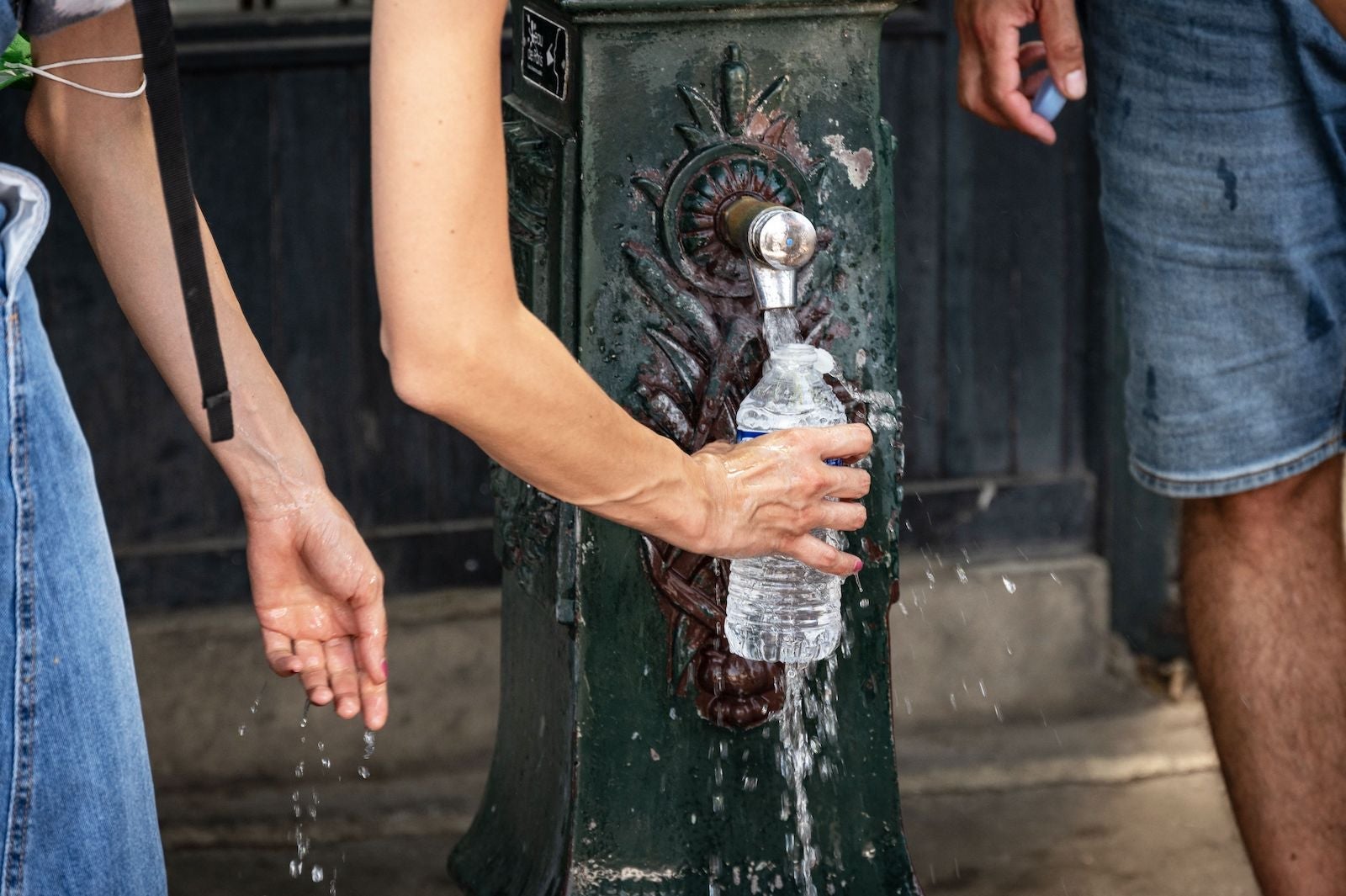
Image via The Points Guy
Key takeaways
- Plan activities for early morning or late evening to avoid peak heat and crowds.
- Stay hydrated with electrolyte supplements, not just water, especially in extreme heat.
- Use a refillable water bottle with a built-in filter to ensure safe drinking water anywhere.
- Download offline maps and attraction apps to navigate without relying on patchy mobile data.
- Book a mid-day break at an air-conditioned hotel or museum to recharge during the hottest hours.
Summer Travel in a Heatwave
This summer has been one for the record books—not just for temperatures, but for the sheer volume of travelers. From European capitals to national parks, tourists are contending with triple-digit heat and shoulder-to-shoulder crowds. But seasoned travelers know that a little preparation can turn a potentially miserable trip into a manageable—and even enjoyable—one.
Drawing on the collective experience of travel editors and frequent flyers, here are the most practical, field-tested tips for staying cool and sane this summer.
Timing Is Everything
The single most effective strategy for beating both heat and crowds is to shift your schedule. Plan your major sightseeing for early morning—before 9 a.m.—or late evening, after 6 p.m. Not only are temperatures lower, but iconic spots like the Colosseum or Grand Canyon are significantly less packed. Many popular attractions now offer early-entry or sunset tickets, which are worth the splurge.
Midday, when the sun is at its fiercest, is the perfect time for a long, air-conditioned lunch, a museum visit, or simply a return to your hotel for a siesta. This isn't just about comfort; it's also a safety measure. Heat exhaustion and heatstroke are real risks, and pushing through the hottest hours can ruin your trip.
Hydration: Beyond Water
Hydration is the foundation of heat survival, but plain water isn't always enough. When you're sweating heavily, you lose electrolytes. Many travelers swear by electrolyte tablets or powders that can be added to water. They're lightweight, easy to pack, and can prevent headaches, fatigue, and muscle cramps.
A reusable water bottle with a built-in filter is another smart investment. It means you can refill safely from any tap, saving money and reducing plastic waste. In destinations where tap water isn't safe, this is a non-negotiable item.
Dress and Pack for the Heat
Clothing choices matter more than you might think. Lightweight, loose-fitting, light-colored fabrics—linen, cotton, or technical synthetics—allow your body to cool naturally. A wide-brimmed hat and UV-protective sunglasses are essential. Don't forget a small, portable fan or a misting spray; they can provide instant relief while waiting in line.
If you're flying, pack a change of clothes in your carry-on. Delays and cancellations are more common in summer, and being stuck in a hot airport in sweaty clothes is miserable. A spare shirt and a travel-size deodorant can make all the difference.
Navigating Crowds with Less Stress
Crowds are unavoidable at peak season, but you can minimize their impact with a few tech-savvy moves. Before you leave, download offline maps of your destination and any attraction apps you'll need. Wi-Fi and cellular data can be unreliable in crowded areas, and you don't want to be stuck without a way to find a water fountain or a shady park bench.
Use crowd-tracking tools where available. Google Maps, for example, shows popular times for businesses, so you can see when a place is least busy. Some major museums and theme parks have real-time wait-time apps. Check them before you head out.
Another pro tip: book tickets in advance for everything you can. Not only does this guarantee entry, but many destinations offer skip-the-line passes, which are worth every penny when the queue is winding around the block in 95-degree heat.
The Mid-Day Reset
Perhaps the most important piece of advice from veteran travelers is to embrace the midday break. Instead of trying to power through, build a two- to three-hour break into your itinerary. Use it to return to your hotel for a cool shower, take a nap, or simply sit in an air-conditioned café with a cold drink. You'll emerge refreshed and ready for the evening, when the city comes alive again.
This approach also helps with jet lag and travel fatigue, making your trip more sustainable over multiple days.
Final Thoughts
Summer travel doesn't have to be a battle against the elements and the masses. By shifting your schedule, prioritizing hydration, packing smart, and using technology to your advantage, you can have a safe, comfortable, and memorable trip. The key is to work with the season, not against it.
Frequently asked questions
What is the best way to stay hydrated in extreme heat while traveling?
Carry a reusable water bottle and refill it frequently. Add electrolyte tablets or powders to your water to replace salts lost through sweating. Avoid excessive caffeine and alcohol, which can dehydrate you.
How can I avoid long lines and crowds at popular attractions?
Visit attractions early in the morning or late in the evening. Book skip-the-line tickets in advance. Check live crowd-tracking apps or Google Maps for the best times to go.
What should I pack for a summer trip to a hot destination?
Pack lightweight, light-colored, breathable clothing (linen, cotton). Bring a wide-brimmed hat, UV-blocking sunglasses, a portable fan or misting spray, and a refillable water bottle with a filter.
Is it safe to travel during a heatwave?
Yes, with precautions. Stay hydrated, avoid the sun during peak hours (10 a.m. to 4 p.m.), take frequent breaks in air-conditioned spaces, and watch for signs of heat exhaustion such as dizziness, nausea, or confusion.
How can I deal with flight delays and cancellations during summer?
Pack a carry-on with a change of clothes, toiletries, and snacks. Monitor your flight status on your airline's app. If a cancellation occurs, contact the airline immediately to rebook. Know your passenger rights under the airline's policy.
Sources
This article was synthesised and fact-checked from the following reporting: