Boeing Regains Authority to Certify New 737 MAX, 787 Jets
The FAA will allow Boeing to again issue final airworthiness certificates for new 737 MAX and 787 aircraft starting July 20, ending a period of direct government oversight that began after the 737 MAX crashes and production quality issues.
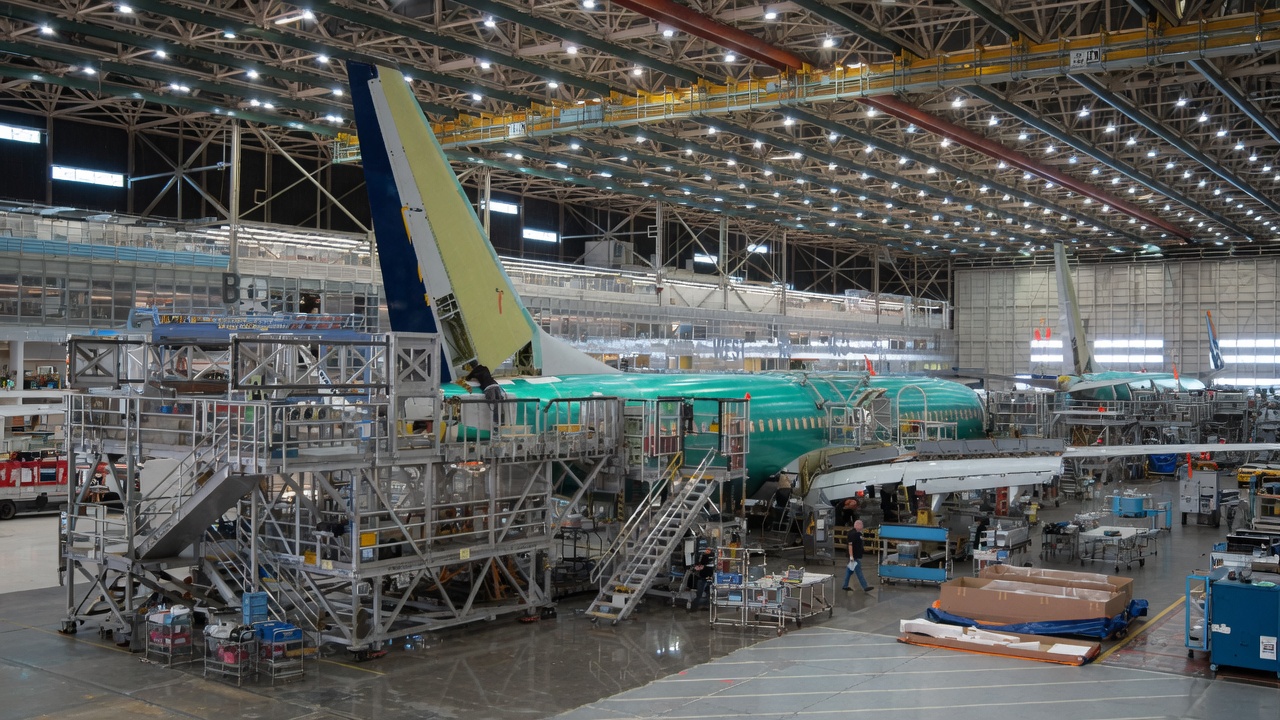
Image via View from the Wing
Key takeaways
- Starting July 20, Boeing will again issue final airworthiness certificates for newly built 737 MAX and 787 aircraft, a role the FAA had taken over after the 737 MAX crashes and subsequent production issues.
- The FAA's decision follows eight months of alternating inspections that found comparable quality between Boeing-issued and FAA-issued certificates.
- Federal audits and production oversight at Boeing will continue even after the return of certification authority, and the FAA can step back in if problems arise.
- The 737 MAX and 787 have been subject to intense scrutiny since 2019 and 2021 respectively, with the FAA delegating certification authority to Boeing only after the manufacturer demonstrated a sustained improvement in safety culture and quality control.
- Airlines awaiting deliveries of these aircraft may see a modest acceleration in the process, though the practical impact on delivery timelines is expected to be limited given continued FAA oversight.
FAA Returns Certification Authority to Boeing for 737 MAX and 787
In a significant regulatory shift, the Federal Aviation Administration (FAA) will allow Boeing to once again issue final airworthiness certificates for newly built 737 MAX and 787 Dreamliner aircraft, starting July 20. The FAA had reserved this authority after the two fatal 737 MAX crashes in 2018 and 2019, and later expanded oversight following production quality failures on the 787 program.
The move marks a vote of confidence in Boeing's internal quality systems, but it does not represent a complete return to the pre-crash status quo. The FAA says it conducted eight months of alternating inspections—comparing certificates issued by Boeing inspectors with those issued by FAA personnel—and found that the quality of the documentation and inspections was comparable. As a result, the agency concluded that Boeing can resume the certification role, provided that ongoing federal audits and production oversight continue.
What Changes for Boeing's 737 MAX and 787 Deliveries
Under the new arrangement, Boeing's own engineers and inspectors will again be the ones to affix the final airworthiness tag to each new jet, certifying that the aircraft meets all FAA safety standards. The process had been a bottleneck in recent years, with FAA inspectors stretched thin and delivery delays mounting. Airlines such as United, Delta, and American have been waiting for new 737 MAX and 787 aircraft to expand routes and replace older planes.
However, the change is not a full deregulation. The FAA will retain a team of inspectors at Boeing's facilities in Renton and Everett, Washington, and Charleston, South Carolina, and will continue to conduct random audits. The agency can also rescind Boeing's certification authority at any time if it finds a lapse in quality or safety reporting.
How Travelers May Be Affected
For the average traveler, the immediate impact is likely to be subtle. The resumption of Boeing-issued certificates could help airlines get new planes into service faster, which may lead to more route options and possibly lower fares in the long run. However, the practical effect on delivery timelines is expected to be modest, given that the FAA will still be closely monitoring the process.
More importantly, the FAA's decision signals that the agency believes Boeing has addressed the systemic safety culture problems that led to the 737 MAX crashes and the 787 production defects. This could help restore confidence among airlines and passengers who have been wary of the 737 MAX brand reputation. The 787 Dreamliner, meanwhile, has been popular with airlines for its fuel efficiency and passenger comfort, but delivery delays have frustrated carriers.
Background: The Road to Re-Certification
Boeing's 737 MAX aircraft was grounded globally in March 2019 after two crashes—Lion Air Flight 610 and Ethiopian Airlines Flight 302—killed 346 people. Investigations revealed flaws in the MCAS flight control system and a certification process that was heavily delegated to Boeing by the FAA. The 787 program also faced scrutiny after production quality issues, including improperly joined fuselage sections and debris left in fuel tanks, led to delivery halts in 2021.
In response, the FAA withdrew Boeing's authority to issue final airworthiness certificates for both models. The move was intended to ensure that the government—not the manufacturer—had the final say on safety. The FAA also required Boeing to implement a comprehensive safety management system and improve its internal reporting culture.
Over the past two years, Boeing has made significant changes, including restructuring its safety organization, hiring more inspectors, and improving documentation. The FAA's eight-month audit period, which began in late 2023, involved side-by-side comparisons of certification processes. The agency concluded that Boeing's inspectors were applying the same standards as FAA personnel.
What This Means for Global Aviation
Boeing's ability to self-certify its aircraft is critical for the company's production ramp-up. The 737 MAX is Boeing's best-selling model, and the 787 Dreamliner is a key revenue driver for long-haul routes. With airlines desperate for new aircraft to meet post-pandemic demand, any delay in deliveries is costly. The FAA's decision could help Boeing meet its delivery targets, which in turn supports airline fleet plans.
However, the FAA's decision is not without controversy. Some safety advocates and family members of crash victims have argued that Boeing should not be trusted to certify its own planes. The FAA has stressed that its oversight remains stringent and that it will not hesitate to reinstate direct government certification if problems arise.
Practical Takeaways for Travelers
- Fleet modernization: Airlines receiving new 737 MAX and 787 aircraft may update their schedules, potentially adding new nonstop routes or increasing frequencies on existing ones.
- Aircraft choice: If you are booking a flight and are concerned about the aircraft type, note that the 737 MAX has been cleared to fly by regulators worldwide, and the FAA's decision today reinforces that safety oversight continues.
- Delivery timelines: While the certification change may help Boeing deliver planes faster, the supply chain and production constraints remain significant factors. Don't expect a sudden surge in new aircraft availability.
- Future oversight: The FAA's continued presence at Boeing facilities means that any future quality issues will be detected quickly, potentially reducing the risk of prolonged grounding events.
Overall, the return of certification authority is a major milestone for Boeing, but it comes with strings attached. The next few months will show whether the manufacturer can maintain the improved quality standards that earned back the FAA's trust.
Frequently asked questions
What does the FAA's decision mean for the safety of new Boeing 737 MAX and 787 aircraft?
The FAA's decision is based on an eight-month audit that found Boeing's internal certification process produces comparable quality to FAA-issued certificates. The agency will continue to monitor production with federal inspectors on site, ensuring that safety standards remain unchanged.
Will this change help Boeing deliver planes faster to airlines?
It could reduce some bottlenecks, but the impact on delivery timelines is expected to be limited. The FAA will still be heavily involved through audits and oversight, and supply chain constraints remain a bigger factor in delivery delays.
Is the 737 MAX safe to fly now?
Yes, the 737 MAX was cleared to return to service by the FAA in late 2020 after extensive software and training updates. The FAA's latest decision about certification does not change the aircraft's airworthiness; it simply changes who issues the final certificate for new planes.
Why did the FAA take away Boeing's certification authority in the first place?
After the two fatal 737 MAX crashes in 2018 and 2019, investigations revealed flaws in the aircraft's design and the certification process. The FAA reserved the authority to issue final airworthiness certificates to ensure that the government—not the manufacturer—had the final say on safety. Production quality issues on the 787 program later reinforced the need for oversight.
What happens if Boeing's certification quality declines again?
The FAA has stated that it can immediately rescind Boeing's delegation authority and resume direct government certification if it finds any lapse in quality or safety. The agency will continue to conduct random audits and maintain inspectors at Boeing facilities.
Sources
This article was synthesised and fact-checked from the following reporting: