American Airlines Passenger Rights: Seat Disputes and Downgrade Refunds
A viral seat dispute resolved by an upgrade and a controversial refund policy highlight the gaps in passenger protections on American Airlines.
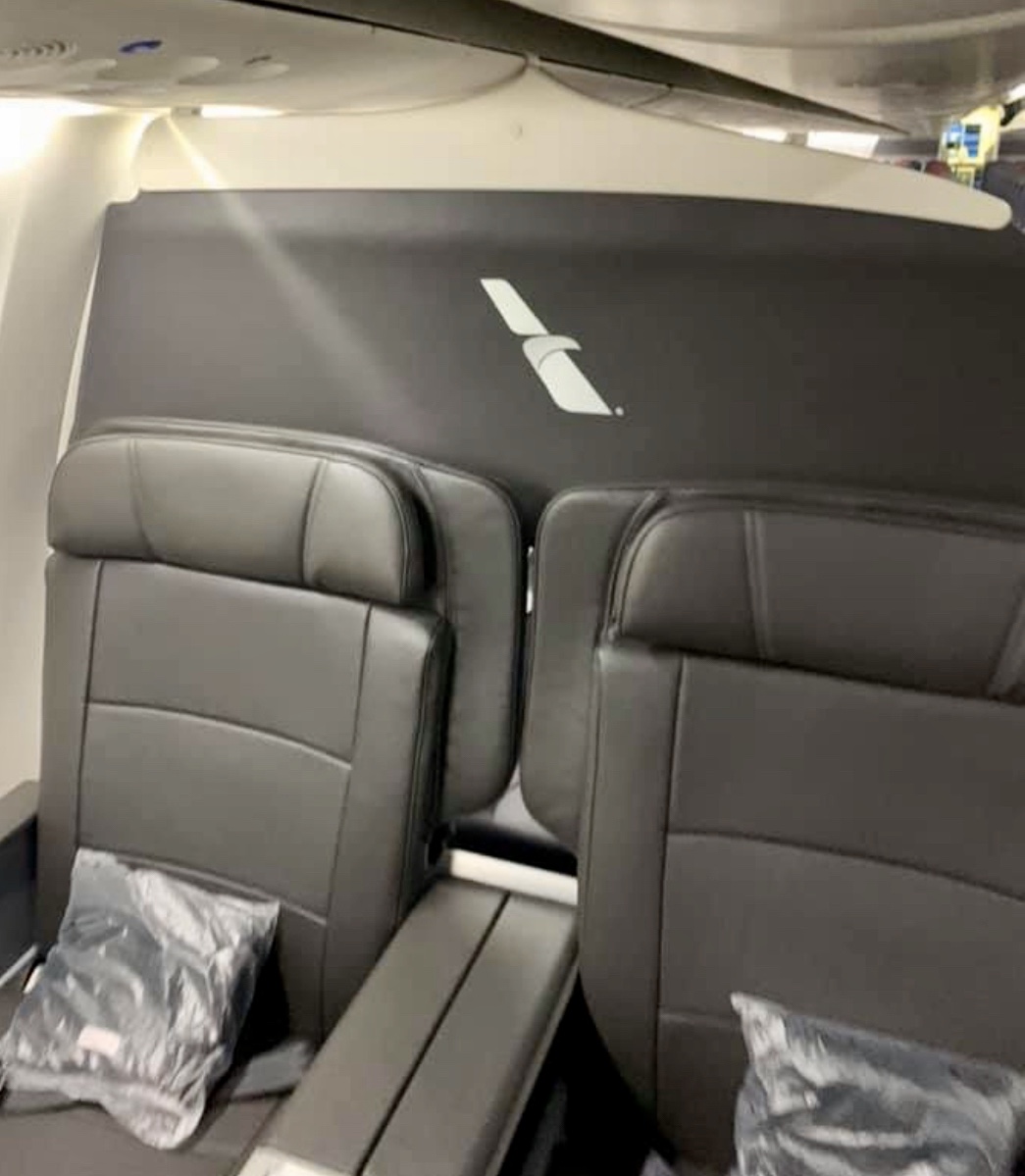
Image via View from the Wing
Key takeaways
- In a viral incident, American Airlines upgraded a harassed passenger to business class to resolve a window seat dispute, leaving the demanding passenger in economy.
- American Airlines previously defended a policy of refunding only the fare difference (around 40%) for involuntary downgrades, keeping the majority of the fare.
- Following a DOT complaint, the airline has promised a revised downgrade refund calculation but is seeking to have the complaint dismissed without making full restitution.
- Passengers are legally entitled to compensation when an airline fails to deliver the purchased class of service, though the calculation of that compensation is often disputed.
- Understanding your rights regarding seat assignments and downgrade compensation is crucial for navigating disputes with airlines like American.
American Airlines is navigating a turbulent period of public scrutiny over its handling of passenger seating rights, caught between a viral in-flight dispute resolved by a creative upgrade and a legal battle over its controversial policy for compensating involuntarily downgraded passengers.
These two distinct yet connected stories paint a complex picture of an airline that can, on a whim, generously solve a seat conflict, yet simultaneously fights in court to minimize its financial liability when it fails to deliver the premium cabin product a passenger has paid for.
How American Airlines Handled a Viral Window Seat Dispute
A recent incident, widely shared on social media, saw a passenger aggressively demand a window seat from the ticketed passenger who was already sitting there. The demanding passenger wanted the seat for her child and became verbally abusive, threatening to sue both the airline and the passenger who refused to move.
Rather than forcing the seated passenger to comply, the American Airlines cabin crew employed a creative solution: they upgraded the passenger who rightfully held the window seat to business class. This effectively removed the conflict, rewarded the passenger who stood their ground, and left the demanding passenger in her original seat, reportedly incensed by the outcome.
This incident highlights the significant discretion airline crew members have in resolving seating disputes. It also serves as a reminder that a passenger is not obligated to give up their assigned seat simply because another passenger demands it. While crew members may ask for volunteers in specific situations, a ticketed passenger's seat assignment is a valid part of their contract of carriage.
American Airlines Downgrade Refund Policy Under Fire
While the window seat story ends with a passenger receiving an upgrade, a separate, systemic issue reveals a much less generous side of American Airlines' approach to seating value. The airline is currently defending itself against a Department of Transportation (DOT) complaint regarding its policy for refunding passengers who are involuntarily downgraded.
According to the complaint, American Airlines' contract of carriage allowed it to refund only the difference in fare when a passenger was moved from a premium cabin (First or Business) to a lower one. In practice, this meant the airline could keep a significant portion of the ticket price—often around 60%—even though it failed to deliver the service the passenger originally purchased. The airline explicitly defended its right to sell a passenger a premium seat, place them in coach, and retain most of the fare.
Following public pressure and the DOT complaint, American Airlines has promised to revise its calculation for downgrade refunds. However, the airline is simultaneously asking regulators to dismiss the complaint, a move that would allow it to avoid providing full restitution to passengers who were shortchanged under the old policy.
Passenger Rights: Seat Assignments and Involuntary Downgrades
These two stories provide critical lessons for air travelers, particularly those flying American Airlines.
On Seat Disputes: Your assigned seat is your property for the duration of the flight (barring safety or operational necessities). If someone asks you to move, you are well within your rights to decline. Involving a flight attendant is the best course of action if a dispute escalates. As the viral incident shows, crew members sometimes have the flexibility to find an elegant solution that benefits the passenger in the right.
On Involuntary Downgrades: If an airline sells you a ticket for a premium cabin and then seats you in a lower cabin due to an aircraft swap, overbooking, or operational issue, you are legally entitled to a refund of the fare difference. What constitutes a "fair" refund is the crux of the current debate. The U.S. Department of Transportation has been tightening rules on refunds, and this case could set an important precedent.
Practical Steps:
- If you are involuntarily downgraded, immediately ask for a refund of the fare difference at the gate or at the customer service desk.
- Do not accept a travel voucher if you prefer cash, though the rules on cash versus vouchers can vary.
- Keep all documentation: your original boarding pass, the new boarding pass, and any receipts.
- If the airline's compensation seems inadequate, file a formal complaint with the DOT.
The Bottom Line for American Airlines Passengers
The contrast between the viral seat dispute and the downgrade refund policy perfectly encapsulates the dual nature of airline customer service. On the one hand, there is the goodwill and creative problem-solving that can turn a bad situation into a win for the passenger. On the other, there is the rigid, profit-protecting legal strategy that fights tooth and nail against paying full compensation for a service not rendered.
For travelers, the message is clear: know your rights. A seat assignment is a binding part of your ticket, and a downgrade is a failure of the airline to deliver its product. While American Airlines has shown it can be creative in resolving disputes, passengers must be prepared to advocate for themselves when the airline falls short of its contractual obligations.
Frequently asked questions
What happened in the American Airlines window seat incident?
A passenger aggressively demanded a window seat occupied by another ticketed passenger. The cabin crew resolved the situation by upgrading the original passenger to business class, leaving the demanding passenger in her original seat.
What is the controversy surrounding American Airlines' downgrade refund policy?
The airline argued it could refund only the fare difference (around 40%) when downgrading a passenger, retaining most of the ticket price. It has since promised a new calculation but is trying to avoid fully compensating past passengers.
Can an airline force me to give up my assigned seat?
No, your assigned seat is part of your ticket purchase. The airline can ask for volunteers, but you are not obligated to give up your seat for another passenger's preference.
What should I do if I am involuntarily downgraded by American Airlines?
Document the downgrade, request a refund of the fare difference immediately at the gate or customer service desk, and file a complaint with the U.S. Department of Transportation if the compensation offered is inadequate.
Is American Airlines changing its policy on downgrade refunds?
Yes, the airline has stated it will calculate downgrade refunds differently in the future, but it is simultaneously fighting a DOT complaint that seeks to make it pay full restitution to previously affected passengers.
Sources
This article was synthesised and fact-checked from the following reporting: