American Airlines Diverts Flight for World Cup Fans, Arrives 2 Hours Late
American Airlines made a real-time operational decision to detour a San Francisco–Philadelphia nonstop through Dallas so stranded World Cup fans could reach the France–Spain semifinal. The flight arrived over two hours late, causing misconnections for some passengers.

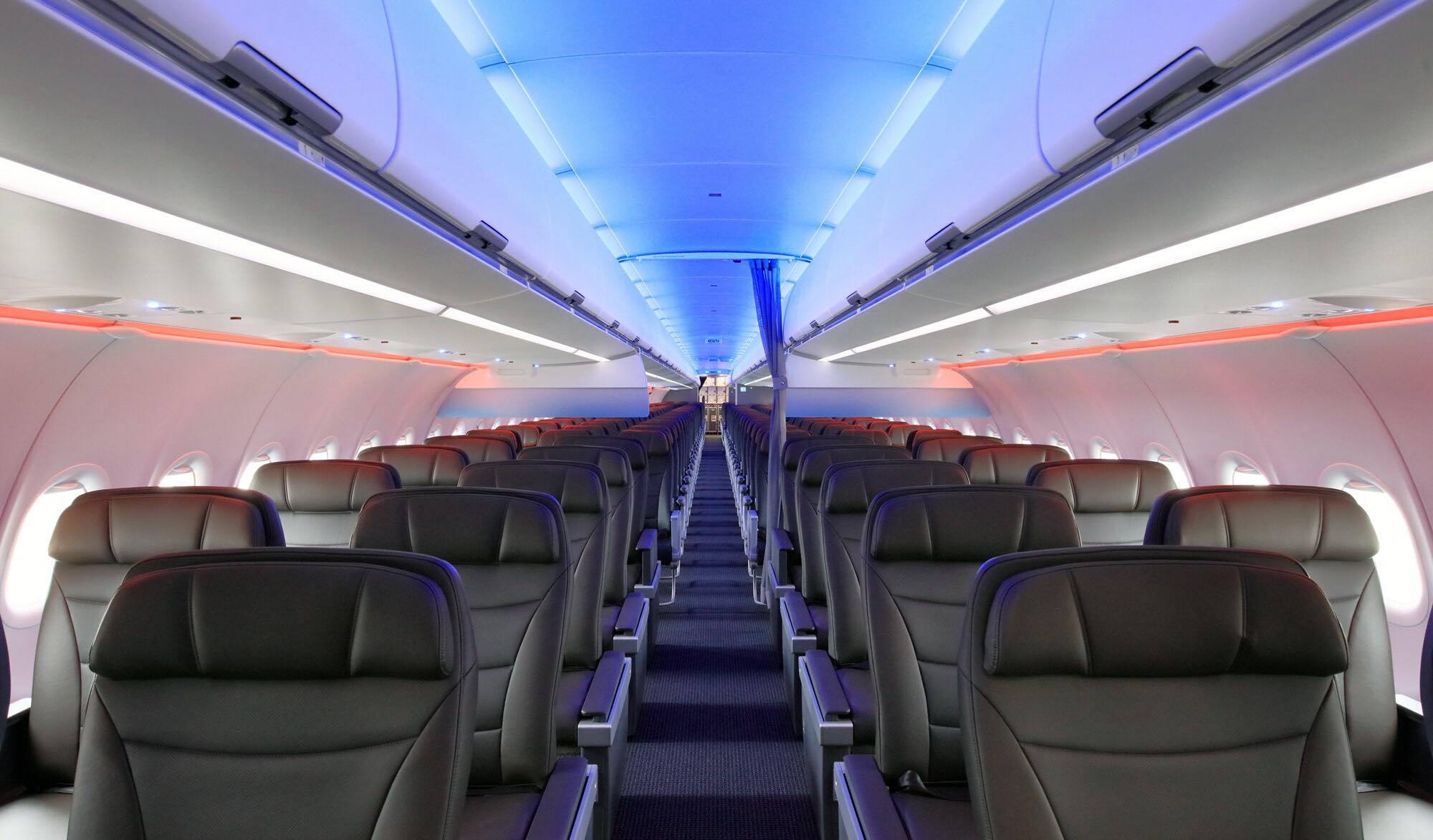
Image via View from the Wing
Key takeaways
- American Airlines turned a nonstop San Francisco–Philadelphia flight into a planned Dallas stop to help dozens of World Cup fans stranded by another delay reach the France–Spain semifinal.
- The flight arrived in Philadelphia 2 hours and 21 minutes late, causing some passengers to misconnect to onward flights.
- The stranded fans reached the game before kickoff, but the diversion disrupted schedules for other travelers on the same aircraft.
- The incident highlights airlines' operational flexibility and the trade-offs between accommodating special circumstances and maintaining on-time performance.
- A separate incident on another American Airlines flight saw passengers offered $1,125 to give up seats, illustrating carrier's variable approach to customer service.
American Airlines Diverts Flight to Get World Cup Fans to Semifinal
In a rare display of operational flexibility, American Airlines diverted a scheduled nonstop flight from San Francisco to Philadelphia to make an unscheduled stop in Dallas—specifically to allow dozens of stranded World Cup fans to reach the France–Spain semifinal match. The flight ultimately arrived in Philadelphia 2 hours and 21 minutes late, and some passengers missed their connecting flights as a result.
The decision came after another American Airlines flight from San Francisco to Dallas was delayed, leaving a large group of fans bound for the semifinal in Philadelphia stranded. Rather than forcing them to wait for the next available connection—which would have caused them to miss the game entirely—American's operations team rerouted the San Francisco–Philadelphia nonstop to pick them up in Dallas.
According to reports, the fans made it to the stadium before kickoff, but the diversion had cascading effects. Passengers already on the original nonstop flight, many of whom had no connection to the World Cup, faced a significantly longer journey and, in some cases, missed their onward connections in Philadelphia.
What the Diversion Meant for Passengers
For the World Cup fans, the outcome was a win: they saw the match live. But for other travelers on the same aircraft, the experience was far less positive. The two-hour-plus delay meant some missed tight connections at Philadelphia, a major American Airlines hub. Those passengers had to be rebooked on later flights, potentially adding hours or even a full day to their itineraries.
The airline did not disclose whether compensation was offered to affected passengers beyond standard rebooking policies. Under U.S. Department of Transportation rules, passengers who experience significant delays due to airline-caused issues are not automatically entitled to compensation—unlike in the European Union—though many carriers offer travel vouchers or meal credits as a goodwill gesture.
This incident underscores a recurring tension in airline operations: the choice between serving the greatest number of passengers efficiently versus accommodating special circumstances. While the diversion was lauded by the fans it helped, it also disrupted plans for others who had no say in the change.
A Broader Look at American Airlines Customer Service
The diversion story comes amid other examples of American Airlines' variable approach to passenger experience. In a separate incident, a traveler at Philadelphia International Airport reported being offered $1,125 to voluntarily give up a seat on an overbooked flight—a remarkably high figure that reflects how desperate airlines can become to free up space on full flights.
That same traveler described a stark contrast in facilities: the Flagship Lounge in Philadelphia's international terminal A West offered Bollinger champagne and cheesesteaks, while other concourses had bare-bones waiting areas with shuttle buses to remote gates. The disparity highlights how passenger experience can vary dramatically depending on status, ticket type, and even which terminal a flight departs from.
For travelers, these stories reinforce a few practical lessons. First, if you have elite status or a premium credit card that offers lounge access, the Flagship Lounge can be a haven during delays. Second, overbooked flights can yield significant compensation—the $1,125 offer was only the opening bid, suggesting that passengers willing to negotiate may secure even more. Finally, when airlines make operational decisions like diversions, passengers on the original route may bear the cost of accommodating others.
How to Protect Yourself If Your Flight Is Diverted or Delayed
While airlines rarely divert flights specifically to help fans reach a game, the scenario is a reminder that operational changes can happen at any time. Here are steps travelers can take to minimize disruption:
- Check your connection times. If you're flying into a hub like Philadelphia with a tight connection, consider building in at least two hours between flights to absorb delays.
- Enable real-time alerts. Airline apps and services like FlightAware can notify you of schedule changes before you reach the airport.
- Know your rights. For domestic U.S. flights, airlines are not required to compensate for delays, but many will rebook you on the next available flight at no charge. If the delay is extensive, ask about meal vouchers or hotel accommodations.
- Consider travel insurance. Policies that cover trip delays or missed connections can reimburse expenses if you're stuck overnight.
- Negotiate if you're flexible. On overbooked flights, volunteers can often secure vouchers worth hundreds of dollars—especially if the airline is desperate. The $1,125 offer is unusually high, but even standard offers often start at $200–$500.
The Bottom Line for Travelers
American Airlines' decision to divert a flight for World Cup fans showcases the airline's ability to make real-time, customer-focused decisions—but also illustrates the trade-offs involved. While some passengers celebrated a successful game day, others faced hours of delay and missed connections. The incident serves as a case study in the complexities of modern airline operations, where one passenger's miracle can be another's inconvenience.
For travelers booking flights during major events—whether World Cup matches, Super Bowls, or concerts—it's worth remembering that airlines may prioritize getting groups to those events, even at the expense of on-time performance for others. Being prepared with flexible itineraries and a clear understanding of your rights can help you navigate the unexpected.
Frequently asked questions
Why did American Airlines divert a nonstop flight to Dallas?
The airline diverted the San Francisco–Philadelphia nonstop to Dallas to pick up dozens of World Cup fans who were stranded after another American Airlines flight from San Francisco to Dallas was delayed. The goal was to get the fans to the France–Spain semifinal in Philadelphia before kickoff.
Did the diverted flight arrive on time?
No. The flight arrived in Philadelphia 2 hours and 21 minutes late. Some passengers on the original nonstop missed their connecting flights as a result of the unscheduled stop.
Are passengers entitled to compensation if their flight is diverted?
For domestic U.S. flights, airlines are not legally required to provide cash compensation for delays or diversions. However, many carriers will rebook passengers on the next available flight at no charge and may offer meal vouchers or hotel accommodations depending on the length of the delay.
What is the highest amount American Airlines has offered for voluntary denied boarding?
In a separate incident at Philadelphia International Airport, American Airlines offered passengers $1,125 to voluntarily give up seats on an overbooked flight. That amount was described as an opening offer, suggesting that passengers who negotiate could potentially secure even higher compensation.
How can I avoid misconnecting if my flight is diverted?
Book connections with at least two hours between flights at hub airports like Philadelphia. Enable real-time flight alerts through the airline's app or services like FlightAware. If your flight is delayed or diverted, speak with gate agents immediately about rebooking options.
Sources
This article was synthesised and fact-checked from the following reporting: