American Airlines 787 Diverts to Dublin After Crew Illness: Compensation Guide
Flight AA719 was forced to land in Ireland after most of the cabin crew became sick. Under international treaty, passengers may be eligible for up to $200,000 in compensation.
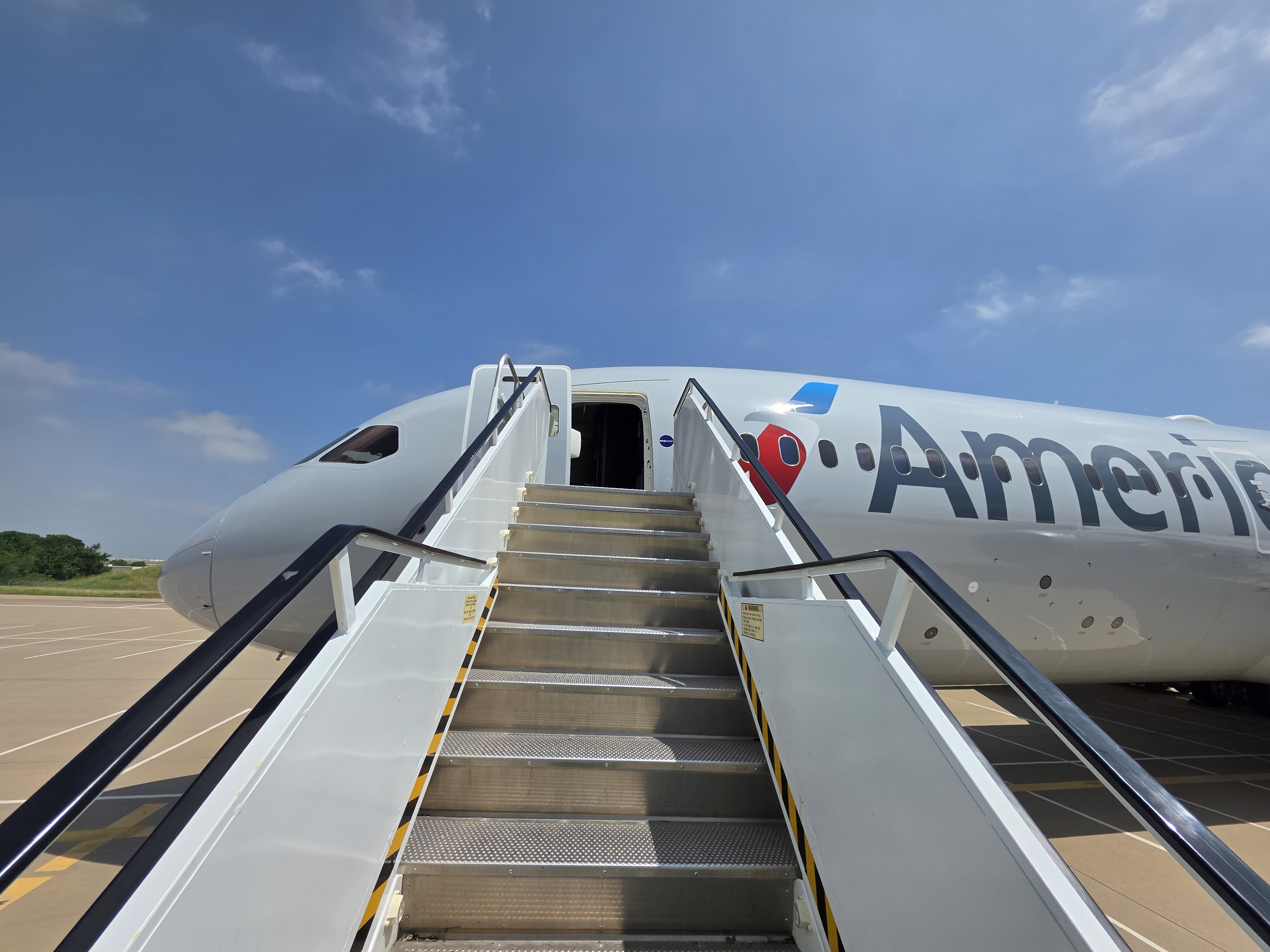
Image via View from the Wing
Key takeaways
- American Airlines flight AA719, a 787 Dreamliner, diverted to Dublin, Ireland, after approximately six of nine flight attendants became dizzy and ill.
- The diversion left only about three flight attendants unaffected, forcing the crew to declare an emergency and land at the nearest suitable airport.
- Under the Montreal Convention, passengers on international flights can claim compensation for damages caused by delays, with a maximum liability of around $200,000 per passenger.
- Passengers on AA719 may be eligible for compensation if the delay caused financial loss, inconvenience, or other damages, though the airline may argue the illness was an extraordinary circumstance.
- The incident highlights the importance of crew fitness and the legal obligations airlines have to transport passengers to their destination in a timely manner.
An American Airlines 787 Dreamliner operating flight AA719 from Dallas/Fort Worth to Rome was forced to divert to Dublin, Ireland, on [date] after the majority of its cabin crew fell ill. The incident left passengers stranded and raised questions about compensation rights under international aviation law.
What Happened on American Airlines Flight AA719
According to reports, the flight had been airborne for several hours when about six of the nine flight attendants began experiencing dizziness and other symptoms of illness. With only three crew members fit to work, the captain declared an emergency and diverted to the nearest major airport, Dublin. The aircraft landed safely, and medical personnel met the plane. The affected crew were treated, and passengers were eventually rebooked or accommodated overnight.
American Airlines arranged for a replacement crew to fly the aircraft to Rome the following day, but the delay stretched into many hours. For passengers with connections, missed meetings, or vacation time lost, the disruption went beyond mere inconvenience.
Passenger Compensation Rights Under the Montreal Convention
Because AA719 was an international flight between the United States and Italy, the Montreal Convention applies. This treaty governs airline liability for passenger injuries, lost baggage, and delays. Under Article 19, airlines are liable for damages caused by delays unless they prove they took all reasonable measures to avoid the damage—or that it was impossible to do so.
The maximum liability for delay-related damages is approximately $200,000 per passenger, though actual payouts are typically much lower and must be supported by documented losses. Examples include hotel costs, meals, missed prepaid tours, or lost wages. The key is that passengers must show actual financial harm caused by the delay.
However, the airline may argue that the sudden illness of multiple crew members constitutes an "extraordinary circumstance" that could not have been prevented. If successful, American Airlines could reduce or avoid liability. But the burden of proof is on the airline, and courts have often held that crew illness is a foreseeable operational risk.
What Travellers Should Do Now
Passengers on AA719 should document every expense incurred as a result of the diversion: hotel receipts, meal costs, transportation, and any non-refundable bookings they missed. They should also keep copies of their boarding passes and the flight delay notification. American Airlines typically provides a written statement about the reason for the diversion, which passengers can use in a compensation claim.
For future flights, travellers can protect themselves by purchasing travel insurance that covers medical emergencies and flight delays. Credit card benefits, such as trip delay reimbursement, may also apply.
Broader Implications for Airlines and Crew Health
The incident raises questions about crew scheduling and health monitoring. Airlines operate under strict duty-time regulations, but sudden illness can still disrupt operations. The diversion of a widebody aircraft like the 787 is costly and disruptive, emphasizing the importance of having reserve crew available at hubs or en-route points.
For passengers, the key takeaway is that international air travel comes with a robust legal framework for compensation. While airlines may try to avoid payouts, passengers who understand their rights—and who document their losses—stand a better chance of recovering costs.
Frequently asked questions
How much compensation can I get for a flight diversion due to crew illness?
Under the Montreal Convention, you can claim up to about $200,000 per passenger for damages caused by a delay, but you must prove actual financial loss. The airline may argue the illness was an extraordinary circumstance, so compensation is not automatic.
Do I have to file a claim in court to get compensation?
Not necessarily. You can first file a claim directly with American Airlines. If they deny it, you may need to take legal action. Small claims court or arbitration can be options for lower amounts.
What expenses are covered under the Montreal Convention for delays?
Covered expenses include hotel accommodation, meals, transportation, lost wages, and costs for missed prepaid tours or connections. You must keep receipts and documentation.
Can I get cash compensation from the airline like EU261 rules?
No, the Montreal Convention does not provide fixed cash compensation like EU Regulation 261/2004. It only covers actual proven damages. US-Italy flights are not subject to EU261 for this type of claim.
How long does it take to process a Montreal Convention claim?
It can take several weeks to months. Airlines often respond within 30 days, but if you need to escalate to litigation, it may take a year or more. Consulting an aviation attorney can speed things up.
Sources
This article was synthesised and fact-checked from the following reporting: