Airlines Could Boost Revenue by Selling Premium First Class Meals
As domestic first-class meal quality declines, experts suggest charging extra for truly premium options.
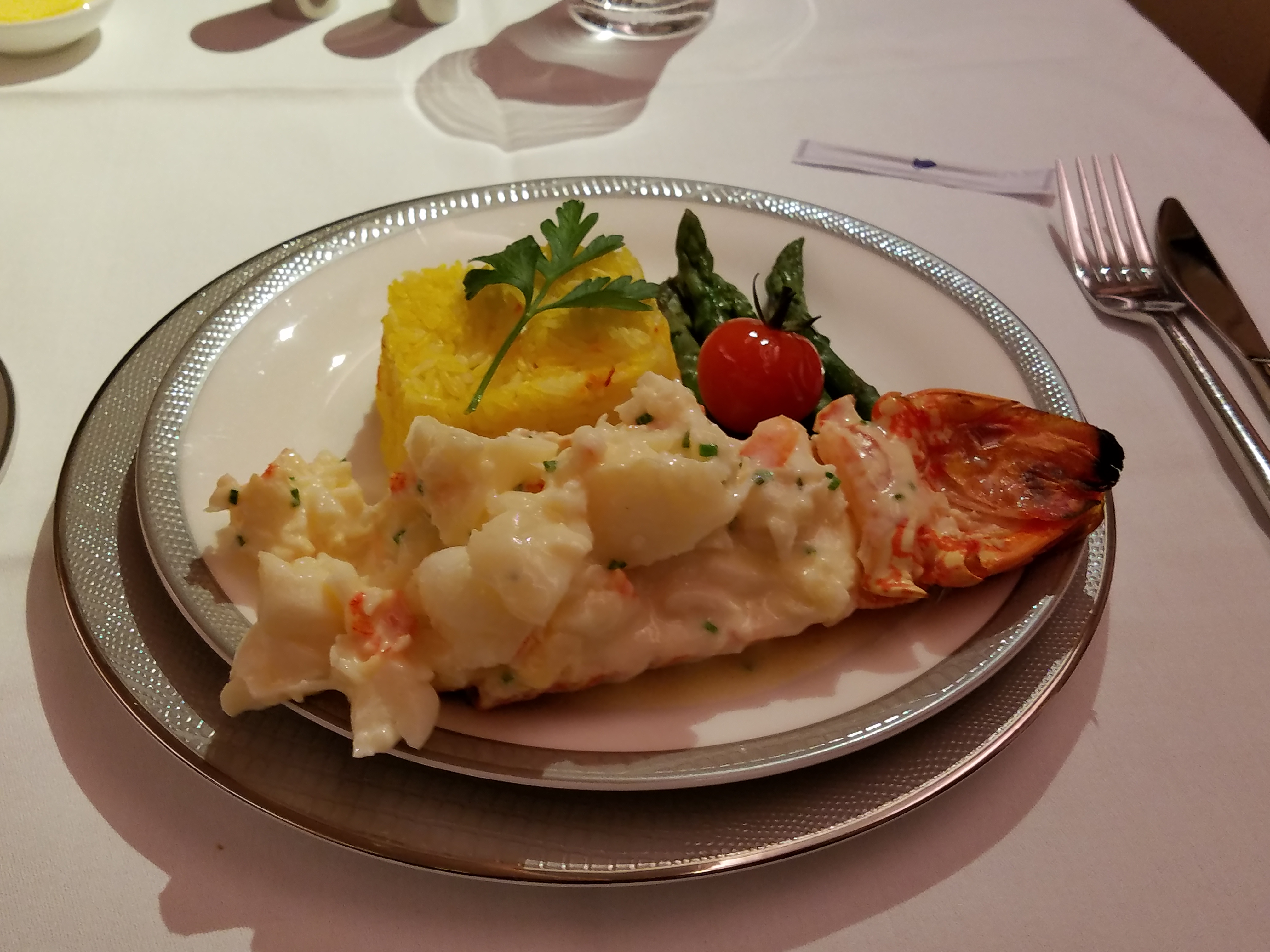
Image via View from the Wing
Key takeaways
- Domestic first-class meal quality has declined significantly, with many passengers feeling the bundled food no longer meets premium expectations.
- Airlines could potentially generate additional revenue by offering premium, pre-order meals for an extra fee, rather than continuing to provide subpar complimentary options.
- This approach would allow passengers to choose meals they actually want, improving satisfaction and creating a new revenue stream for carriers.
The Decline of Domestic First Class Dining
Domestic first-class meals have seen a steady decline in quality and variety over the past decade, leaving many travelers disappointed with what was once a hallmark of premium air travel. Airlines, facing cost pressures and operational challenges, have cut back on ingredients, portion sizes, and overall presentation. What remains is often a far cry from the gourmet experience passengers might expect when paying for a first-class seat.
This downward trend has not gone unnoticed. Frequent flyers and industry observers alike have noted that the food served in domestic first class today is often comparable to what was once offered in coach. Sandwiches, salads, and snack boxes have replaced hot meals on many shorter routes, and even on longer transcontinental flights, the quality can be inconsistent.
A New Revenue Opportunity
Rather than continuing to offer a lackluster complimentary meal, some experts argue that airlines are missing a significant revenue opportunity. The idea is simple: instead of pretending that today's bundled food is still a premium experience, carriers should consider selling premium pre-order meals that passengers would actually want to eat.
This model would allow airlines to partner with well-known restaurants, chefs, or food brands to offer a selection of high-quality, chef-prepared meals. Passengers could pre-order these meals for an additional fee, ensuring they get something they genuinely enjoy. This approach has already proven successful in some international business and first-class cabins, where pre-order meals are common, but it has yet to be widely adopted for domestic travel.
What This Means for Travelers
For passengers, this shift could mean more choice and better quality. Instead of being stuck with whatever the airline decides to serve, travelers would have the option to upgrade their dining experience. This would be particularly appealing for those on long domestic flights or those with specific dietary needs or preferences.
However, there are potential drawbacks. Critics worry that implementing such a fee-based system could further erode the already diminished value of a first-class ticket. If passengers are paying extra for meals, they may feel that the overall premium experience is being diluted. Additionally, there is the question of fairness: should those who cannot afford or choose not to pay extra be left with even worse food?
The Bigger Picture
Airlines are constantly looking for ways to increase ancillary revenue, and bag fees, seat selection charges, and onboard sales have become standard. Adding premium meal options to this list could be a natural evolution. However, it would require careful execution to avoid alienating passengers who already feel that the first-class experience has been devalued.
Ultimately, the success of such a program would depend on the quality and perceived value of the premium meals. If airlines can deliver a truly exceptional dining experience, travelers may be willing to pay. If not, the move could backfire, further damaging the reputation of domestic first-class service.
As the industry continues to evolve, one thing is clear: the days of assuming that bundled first-class meals meet passenger expectations are over. Airlines that innovate and offer genuine choice may find a willing market among discerning travelers.
Frequently asked questions
Why have domestic first-class meals declined in quality?
Airlines have cut costs and simplified menus due to operational pressures, leading to smaller portions, cheaper ingredients, and less variety in domestic first-class dining.
How would premium pre-order meals work?
Passengers could select and pay for a higher-quality meal from a curated menu—often featuring partner chefs or restaurants—during the booking process or before the flight.
Would extra-cost meals replace the free first-class meal?
Probably not immediately; airlines might offer the premium option alongside a standard complimentary meal, allowing passengers to upgrade if they choose.
Which airlines already offer premium pre-order meals?
Some international carriers and a few U.S. airlines offer pre-order meals in business or first class on long-haul routes, but the model is not widespread for domestic travel.
Is this a good value for travelers?
It depends on the quality of the meal and the price. If the premium meal is truly superior, it can be a worthwhile upgrade for those who value in-flight dining.
Sources
This article was synthesised and fact-checked from the following reporting: