Why Airlines Often Charge Identical Fares—And Why It's Legal
When American, United, and Southwest all price a route at exactly $523, it looks suspicious. But fare-matching technology explains why identical pricing happens roughly half the time.
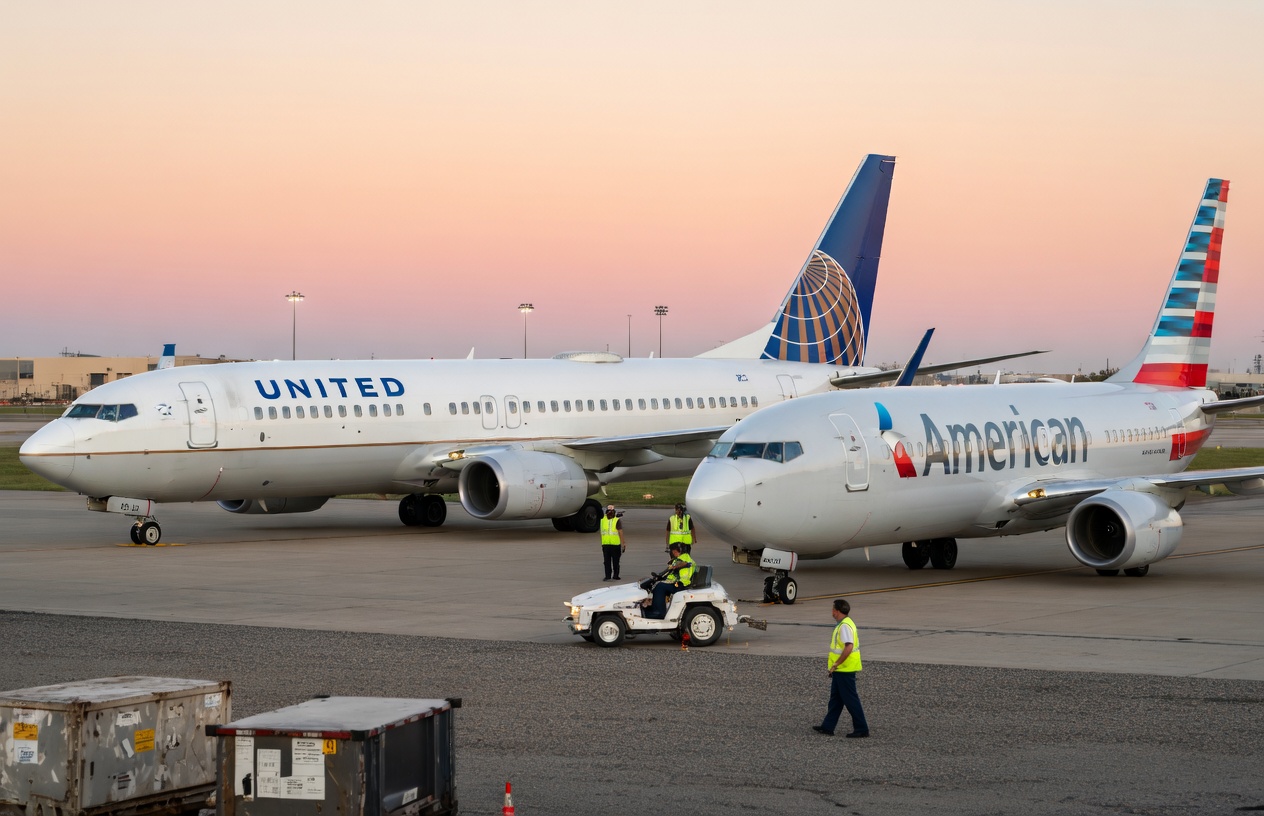
Image via View from the Wing
Key takeaways
- Major U.S. airlines frequently charge identical fares on the same routes, with matching prices occurring approximately half the time
- Real-time fare distribution systems like ATPCO allow carriers to monitor and instantly match competitor pricing without direct communication
- While the technology enables rapid price alignment that appears coordinated, it remains legal as long as airlines don't explicitly agree on pricing
- Past investigations have revealed some carriers attempted to cross legal boundaries through signaling, though current practices rely on automated monitoring
- The fare-matching phenomenon affects travellers by reducing price variation between carriers on identical routes
The $523 Question
When travellers search for flights from Chicago to Denver and find American Airlines, United Airlines, and Southwest Airlines all charging exactly $523 for the same route, the natural reaction is suspicion. How do three competing carriers arrive at the identical price point down to the dollar? The answer reveals how modern airline pricing works—and why what looks like collusion is actually legal competitive behaviour.
Identical fares across major carriers aren't anomalies. They occur approximately half the time on U.S. domestic routes, a frequency that would seem impossible without coordination. Yet the explanation lies not in smoke-filled rooms but in sophisticated technology that has transformed airline revenue management over the past two decades.
How Instant Fare Matching Works
The aviation industry relies on centralised fare distribution systems, with the Airline Tariff Publishing Company (ATPCO) serving as the primary clearinghouse. When one carrier adjusts a fare, that information flows through ATPCO to global distribution systems and online travel agencies within minutes. Competing airlines monitor these changes in near real-time through proprietary revenue management software.
This technological infrastructure allows carriers to respond to competitor pricing moves almost instantaneously. If United drops its Chicago–Denver fare to capture market share, American's systems flag the change within minutes, and revenue managers can authorise a matching adjustment before the day ends. Southwest, despite operating its own reservation system, similarly tracks competitor pricing and adjusts accordingly.
The result is a form of algorithmic price following that produces identical fares without any direct communication between carriers. Each airline independently decides to match competitors based on its own revenue optimisation goals, but the speed and transparency of information sharing creates synchronised pricing that mirrors coordinated behaviour.
The Legal Grey Area
While current fare-matching practices remain legal, airlines have previously tested the boundaries of antitrust law. The distinction hinges on whether carriers explicitly communicate about pricing intentions versus simply reacting to publicly available competitor data. Regulatory investigations have occasionally uncovered instances where airlines appeared to signal pricing intentions through the fare filing system itself—a practice that crosses into illegal territory.
The legal framework permits aggressive competitive monitoring and rapid response. What it prohibits is agreement, whether explicit or through coded communication. As long as each airline makes independent pricing decisions based on market observation rather than coordination, the practice withstands antitrust scrutiny despite producing outcomes that look remarkably similar to price-fixing.
What It Means for Travellers
For consumers, widespread fare matching reduces the potential savings from comparison shopping between carriers on identical routes. When half of all searches return identical prices across major airlines, the competitive benefit shifts from base fare to ancillary factors: schedule convenience, loyalty programme value, baggage policies, and seat selection.
The phenomenon also explains why travellers often see prices move in lockstep across booking platforms. A fare increase on one carrier typically triggers matching increases from competitors within hours, eliminating the window for savvy shoppers to capitalise on temporary price differences. Conversely, fare sales tend to be matched quickly, spreading deals across carriers but also limiting the depth of discounts any single airline will offer.
Understanding this dynamic helps travellers set realistic expectations. Waiting for one carrier to significantly undercut others on popular routes is often futile, as any meaningful price gap closes rapidly. Instead, focus on timing purchases around broader demand patterns, considering alternative airports, and leveraging loyalty programme benefits where genuine differentiation still exists.
Frequently asked questions
Is it illegal for airlines to charge the same fares?
No, identical pricing is legal as long as each airline independently monitors competitors and makes its own pricing decisions. It only becomes illegal if carriers explicitly agree on prices or coordinate through prohibited signaling.
How quickly do airlines match each other's fares?
Airlines can detect and match competitor fare changes within minutes to hours using real-time monitoring systems connected to central fare distribution platforms like ATPCO.
Does fare matching mean I can't find better deals by comparing airlines?
On many routes, base fares will be identical across carriers about half the time. Better value often comes from comparing total costs including baggage fees, schedule convenience, and loyalty programme benefits rather than base ticket prices alone.
Why don't budget airlines always offer lower fares if matching is so common?
Budget carriers often serve different markets or use different airports, reducing direct competition. When they do compete on identical routes, they may match legacy carrier fares while offering fewer included services.
Have airlines ever been caught illegally coordinating prices?
Regulatory investigations have previously identified instances where carriers appeared to signal pricing intentions through fare filing systems, which crosses legal boundaries. Current practices focus on monitoring publicly available competitor data rather than direct communication.
Sources
This article was synthesised and fact-checked from the following reporting: